
Why Sauna and Cold Therapy Can Improve Your Sleep
The thermoregulation science.
Most people discover that a sauna session leaves them tired. What they rarely discover is the reason — a precise physiological mechanism that researchers have been studying for decades.
The temperature drop that triggers sleep
Sleep onset is not simply a matter of mental exhaustion. It is a biological event initiated by a drop in core body temperature. Each evening, your brain's internal clock drives peripheral blood vessels in your hands and feet to dilate, releasing heat from your core and allowing your body temperature to fall. This decline — typically occurring one to three hours before your habitual bedtime — is the primary signal that tells your brain it is time to sleep.
The faster and steeper that decline, the faster you fall asleep.
In 2019, Dr. Sahib Haghayegh and colleagues published a meta-analysis in Sleep Medicine Reviews examining 17 studies on passive body heating before sleep. They found that warming the body to 40–42.5°C one to two hours before bedtime shortened sleep onset latency from an average of 24.6 minutes to 17.4 minutes — a statistically significant reduction driven entirely by the cooling phase that follows heating. When you raise your core temperature and then step out into a cool environment, your body sheds heat more efficiently than it would have otherwise. The result is a steeper, faster temperature drop that maps directly onto the brain's sleep-initiation signal.
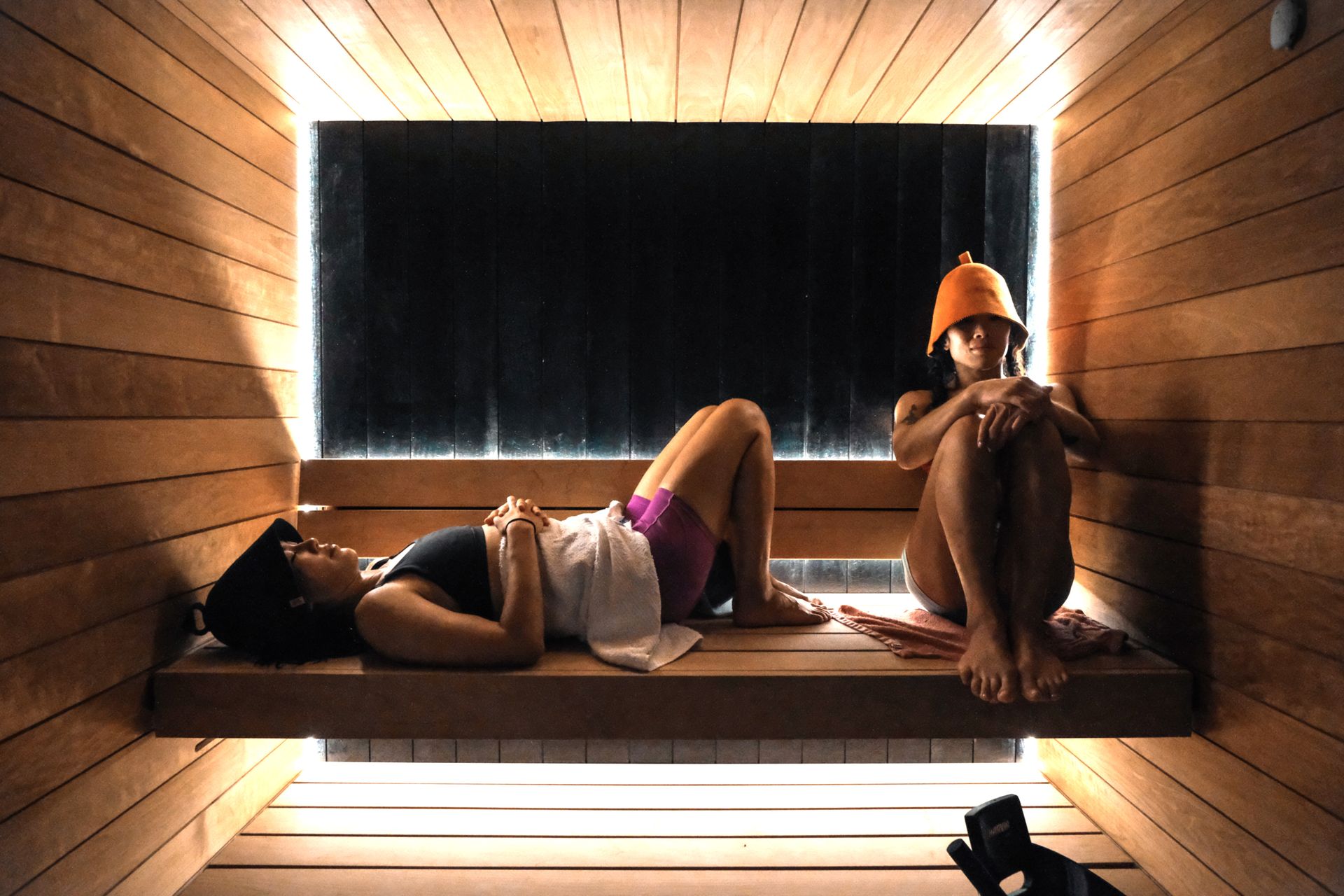
The evidence for deeper sleep is older and, in some respects, more striking. Finnish researchers Kalevi Putkonen and Olavi Elomaa recorded the overnight sleep patterns of volunteers following an evening sauna session and found that slow-wave deep sleep increased by more than 70% during the first two hours of the night, with a 45% increase across the first six hours. This was not a subjective report of feeling more rested. It was an objective measurement of sleep architecture via polysomnography — direct observation of the brain during sleep.
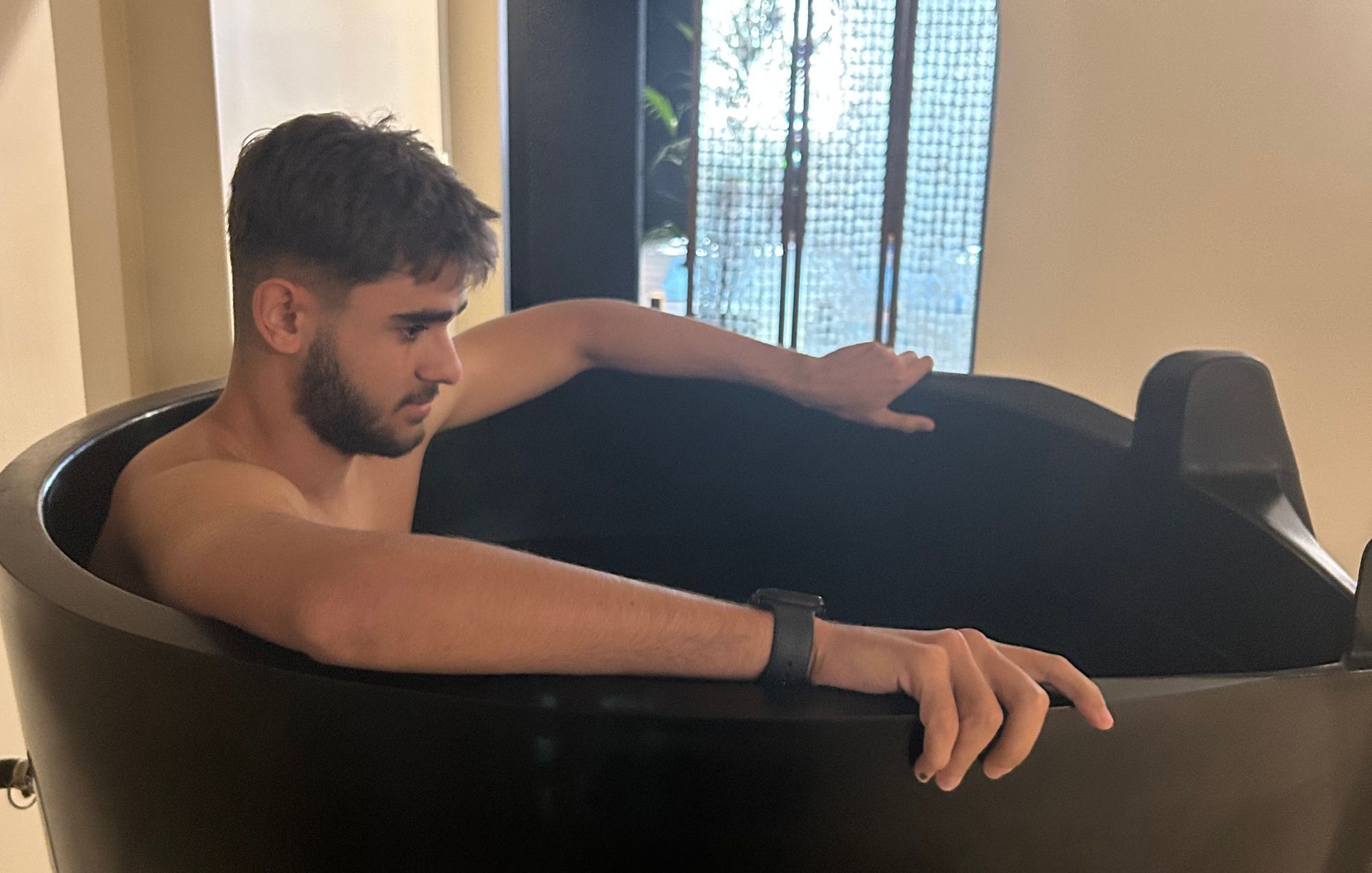
More recently, a 2025 systematic review and meta-analysis by Sinéad M. Cain and colleagues, published in PLOS ONE, examined 11 randomised controlled trials involving approximately 3,177 healthy adults and found that cold-water immersion at 15°C or below was associated with improved sleep quality and quality of life across several protocols, particularly when exposure was not immediately preceding bedtime.
What this means at a facility level
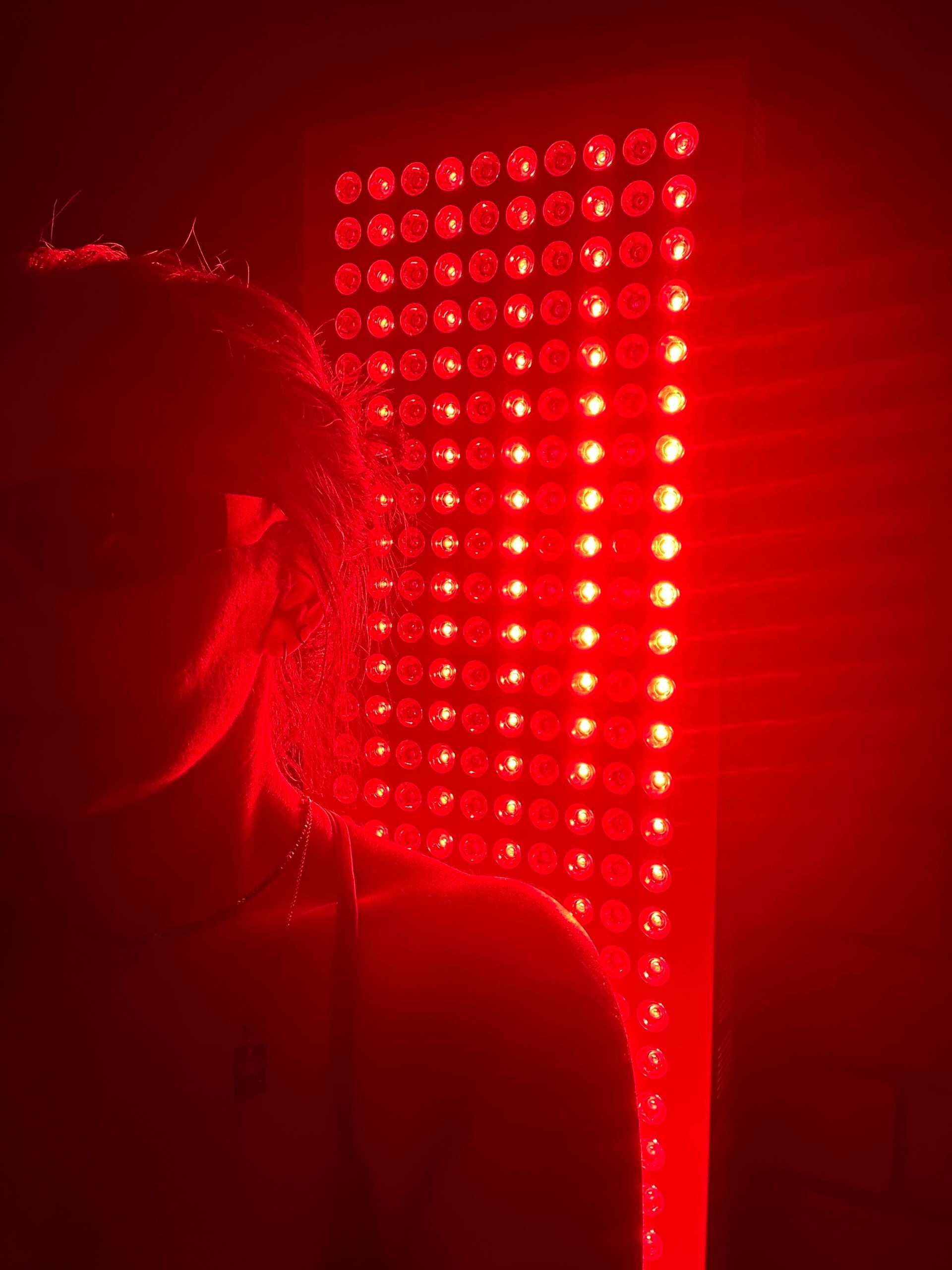
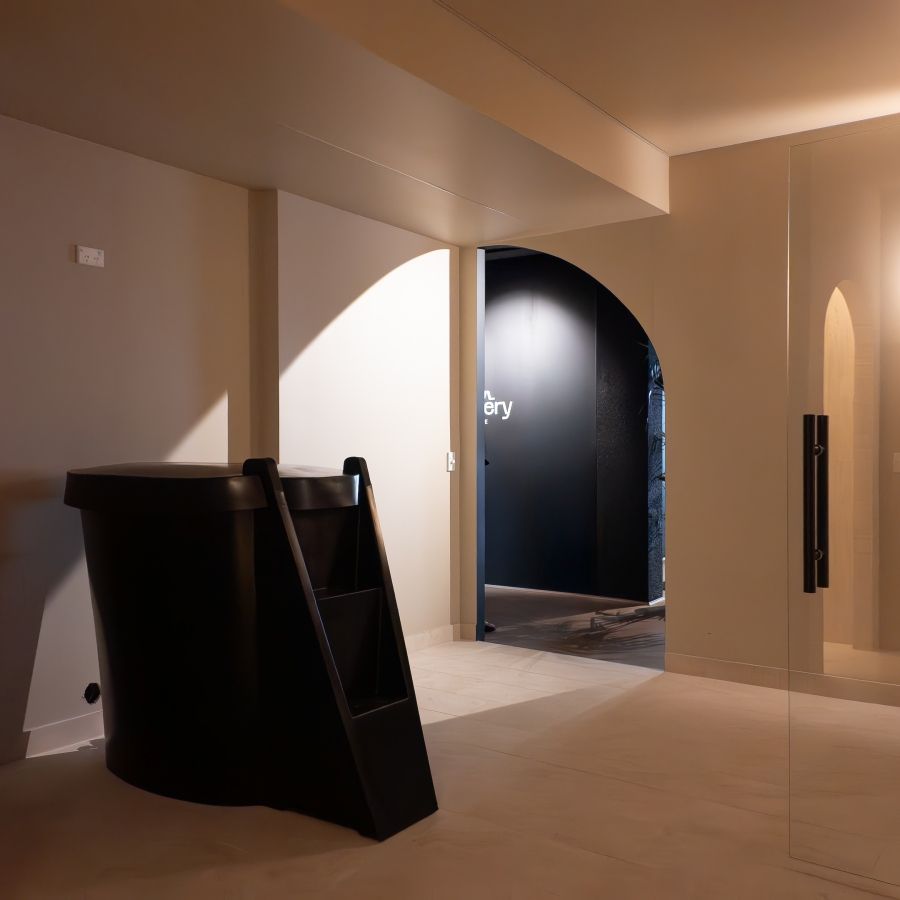
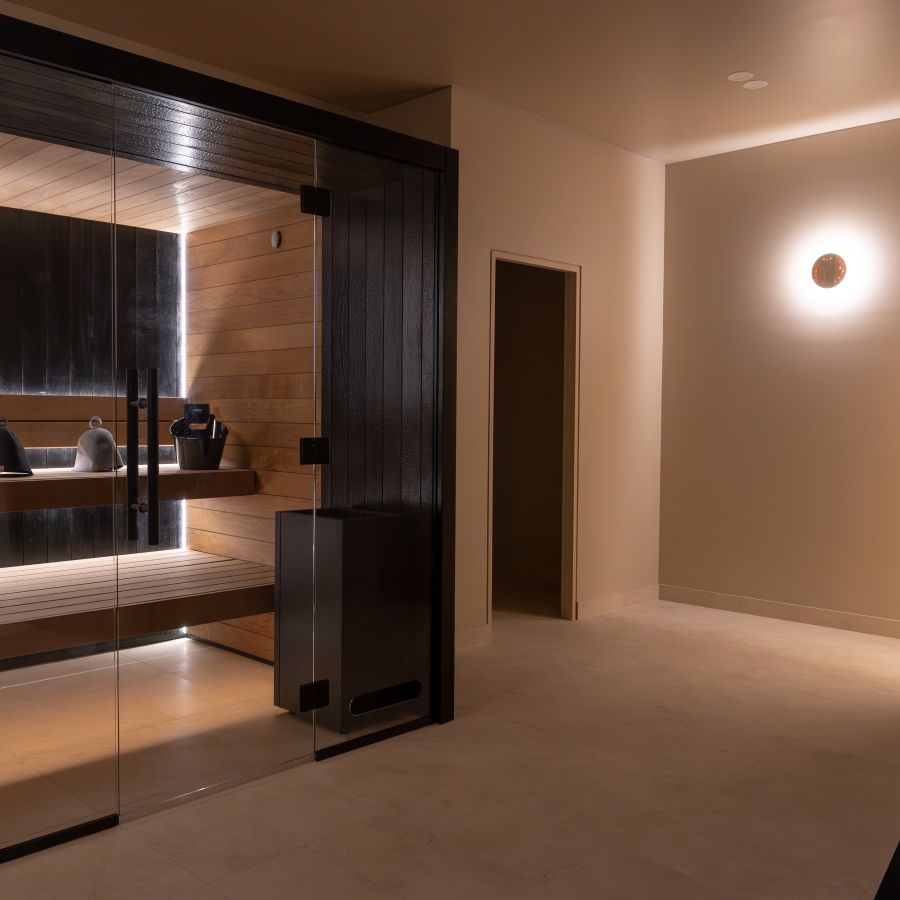
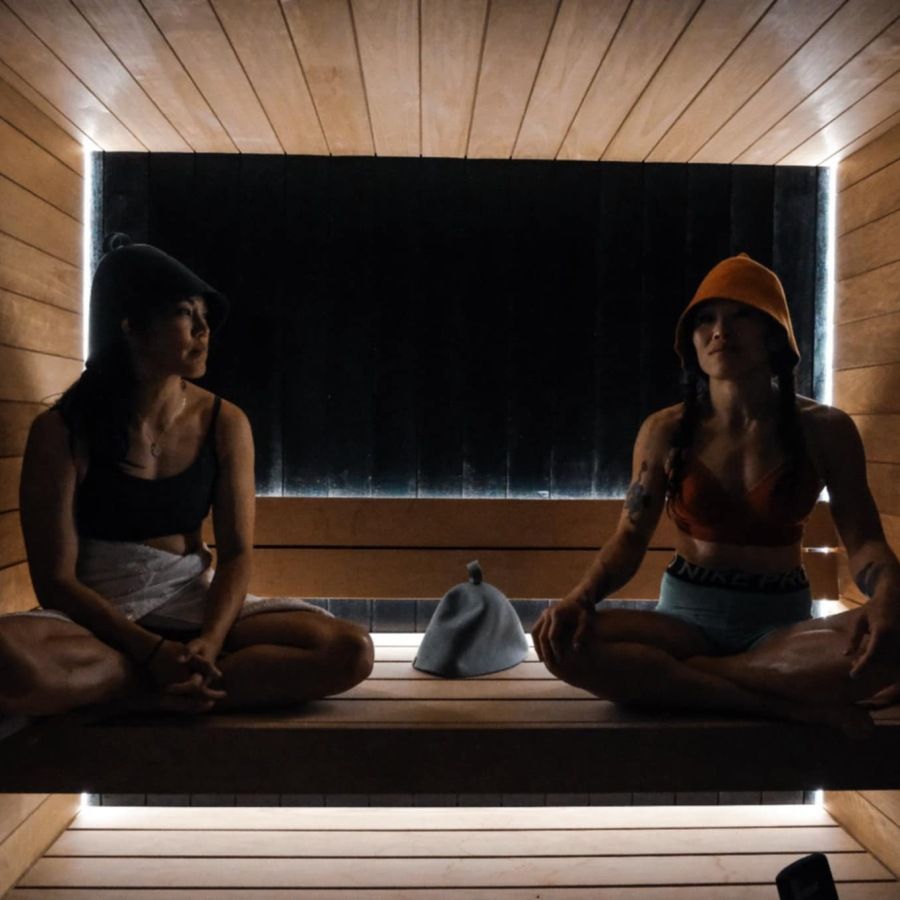
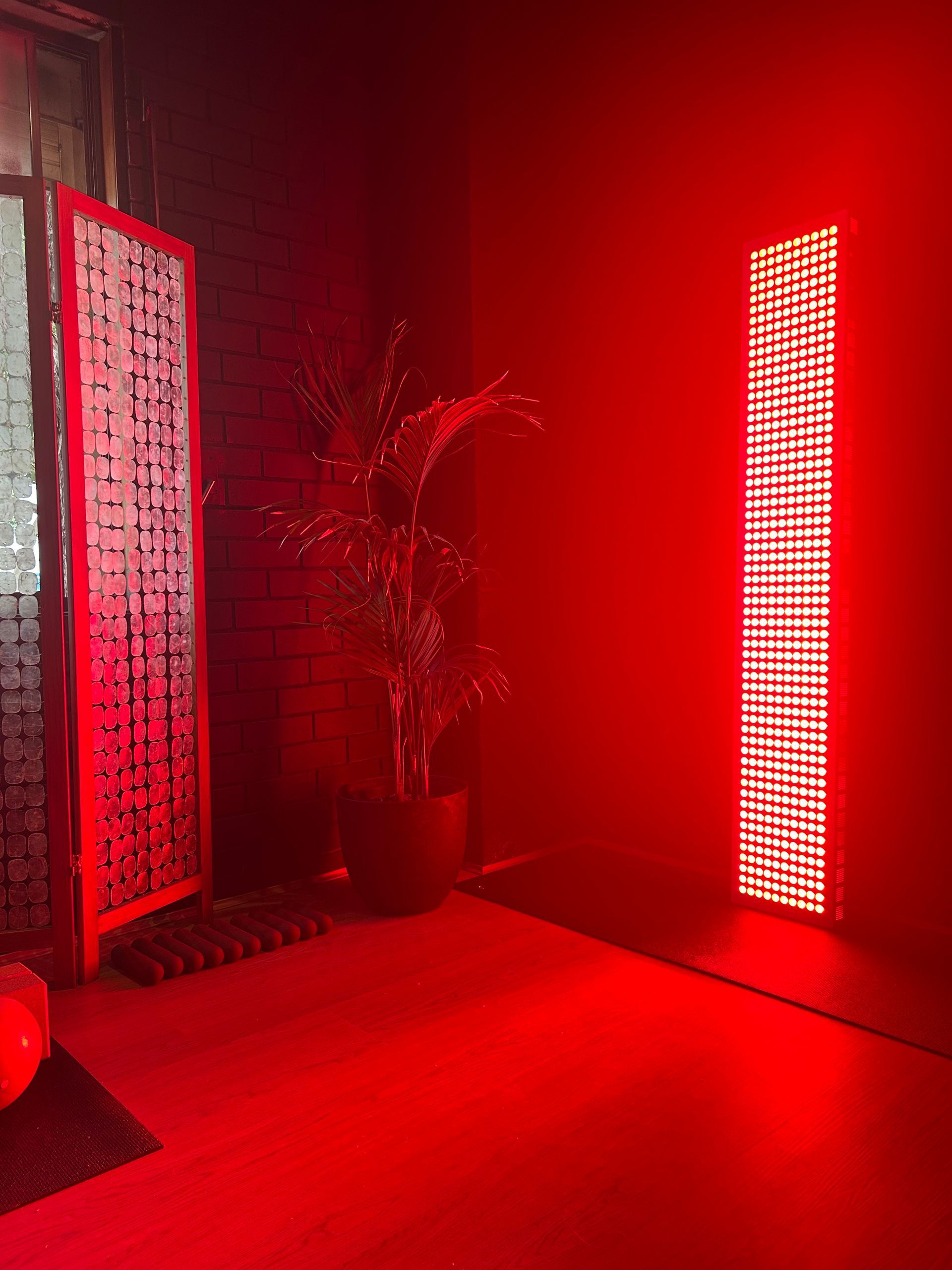
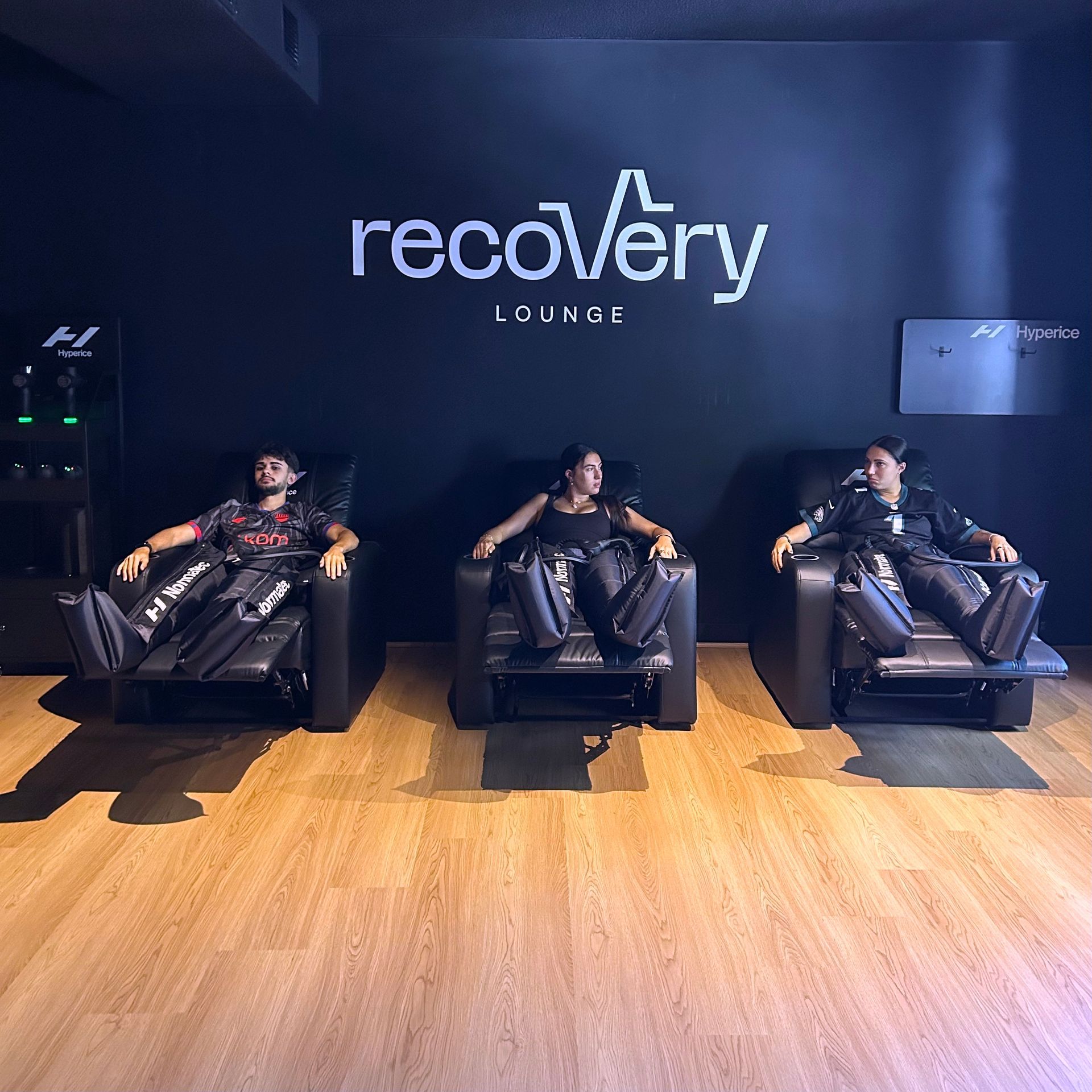
At Recovery Lounge, every guided session is structured around this sequencing logic. The sauna raises your core temperature. Stepping out initiates the cooling phase. If your session is in the evening, the protocol is framed specifically around the thermoregulatory window — ending heat exposure a few hours before the client's intended sleep time. Red light therapy is used before heat, never after, as part of the cellular preparation layer. Cold plunge timing within the session is calibrated to support recovery rather than disrupt the autonomic state the sauna has created. The facility's four-person cap means every person in the room receives pacing guidance, not just access.
Practical takeaway
If you are using a sauna to improve sleep, the session timing is as important as the session itself. Haghayegh's data points clearly to a one-to-two-hour window between the end of heat exposure and your intended sleep time. A session that finishes at 8pm and is followed by sleep at 10pm is operating inside that window. A session that finishes at 10:30pm for an 11pm bedtime is not. The mechanism is the same in both cases. The outcome is not.