
Heat Shock Proteins: What Happens Inside Your Body When You Stay in Long Enough
Why timing matters for the physiological effects
Most people underestimate the sauna. They treat it as a warmup, a cool-down, or a comfortable place to sit between activities. The cellular biology tells a very different story — and it begins with what happens to your proteins under heat.
What heat shock proteins are
Heat shock proteins — HSPs — are a class of molecular chaperones produced by cells in response to stress. Their primary function is protein quality control. Under normal conditions, proteins fold into specific shapes that determine their function. Physical or thermal stress can cause proteins to misfold or aggregate — a cellular problem that impairs function and can contribute to disease over time. HSPs respond by identifying damaged proteins, assisting in their refolding, and in some cases marking irreparably damaged proteins for degradation.
This is not a marginal process. HSPs are one of the most highly conserved stress-response mechanisms across virtually all living organisms — evidence of how fundamental protein integrity is to survival.
The thermal threshold
Dr. Rhonda Patrick is a biomedical scientist whose work focuses on mitochondrial function, stress response pathways, and their implications for longevity and performance. Her research and synthesis of the heat shock literature has brought HSPs into wider public awareness in the recovery and wellness space.
Her work identifies a clear threshold: meaningfully elevated core body temperature, sustained over time, is the stimulus required to trigger significant HSP induction. In the context of sauna use, the relevant parameters are consistent with traditional Finnish sauna conditions — temperatures of 80–100°C, with session duration of approximately 15-20 minutes. This is not about pushing to discomfort for its own sake. It is about applying a sufficient thermal stimulus to activate the body's protective response.
Below the threshold, the cellular stress response is minimal. Above it, the body responds with a cascade of cellular maintenance activity that extends well beyond the session itself.
What HSPs do for recovery and resilience
The implications of regular HSP activation are specific. Patrick has documented research suggesting that repeated thermal stress — and the HSP response it triggers — may contribute to preservation of muscle mass, particularly in ageing populations. HSPs appear to play a role in protecting muscle protein integrity during periods of reduced activity or physical stress. This is relevant not just for athletes managing training loads, but for anyone using sauna as a longevity and maintenance practice.
There is also evidence connecting HSP induction to improved insulin sensitivity and metabolic health — mechanisms that overlap with the broader cardiovascular and cardiometabolic benefits associated with regular sauna use documented in Finnish cohort research.
At Recovery Lounge
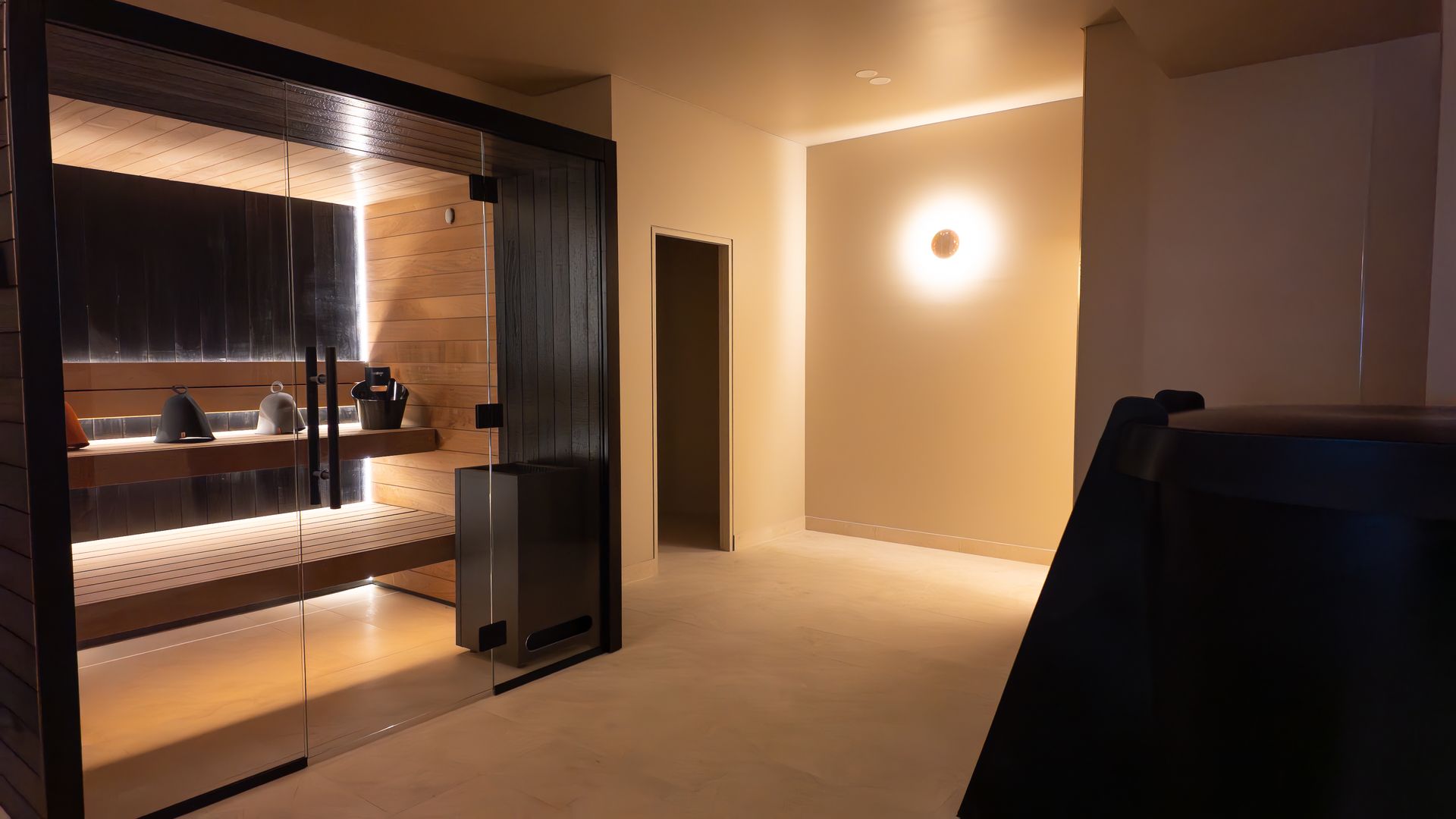
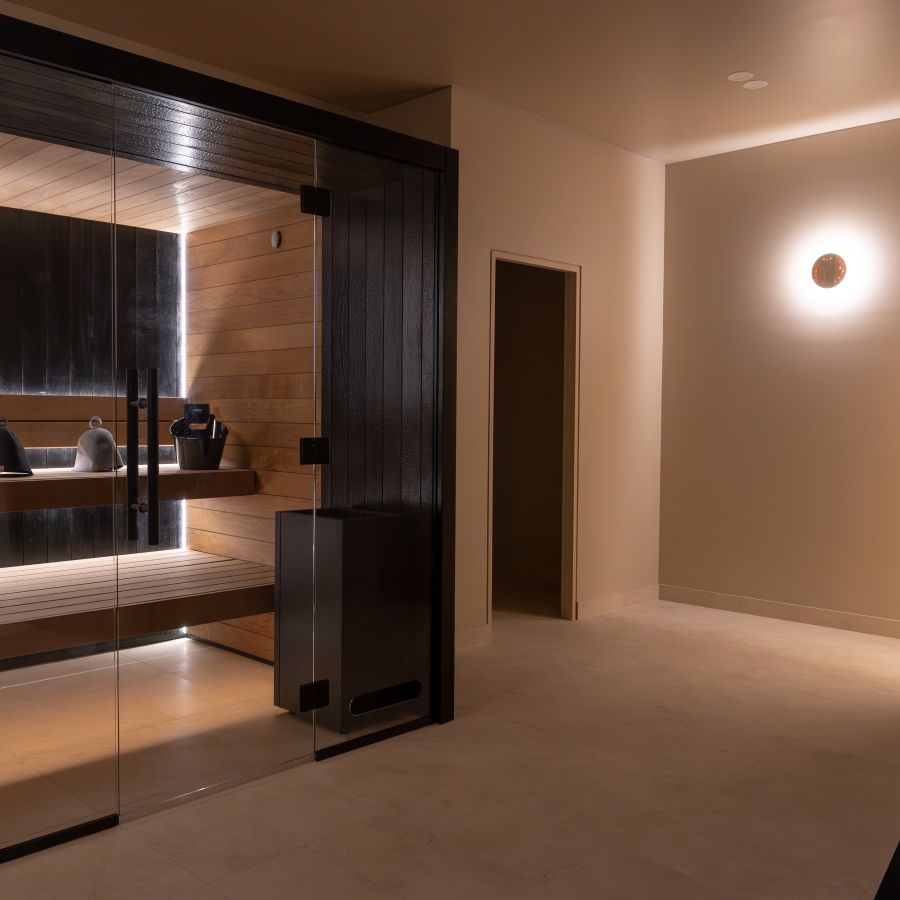
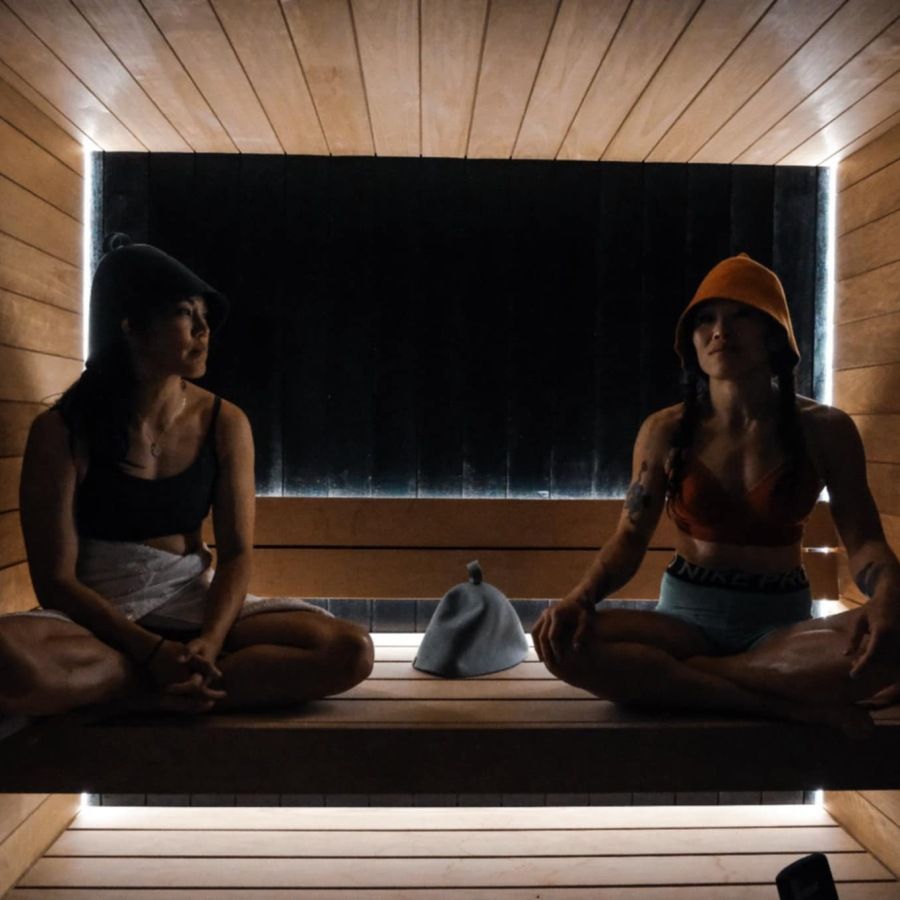
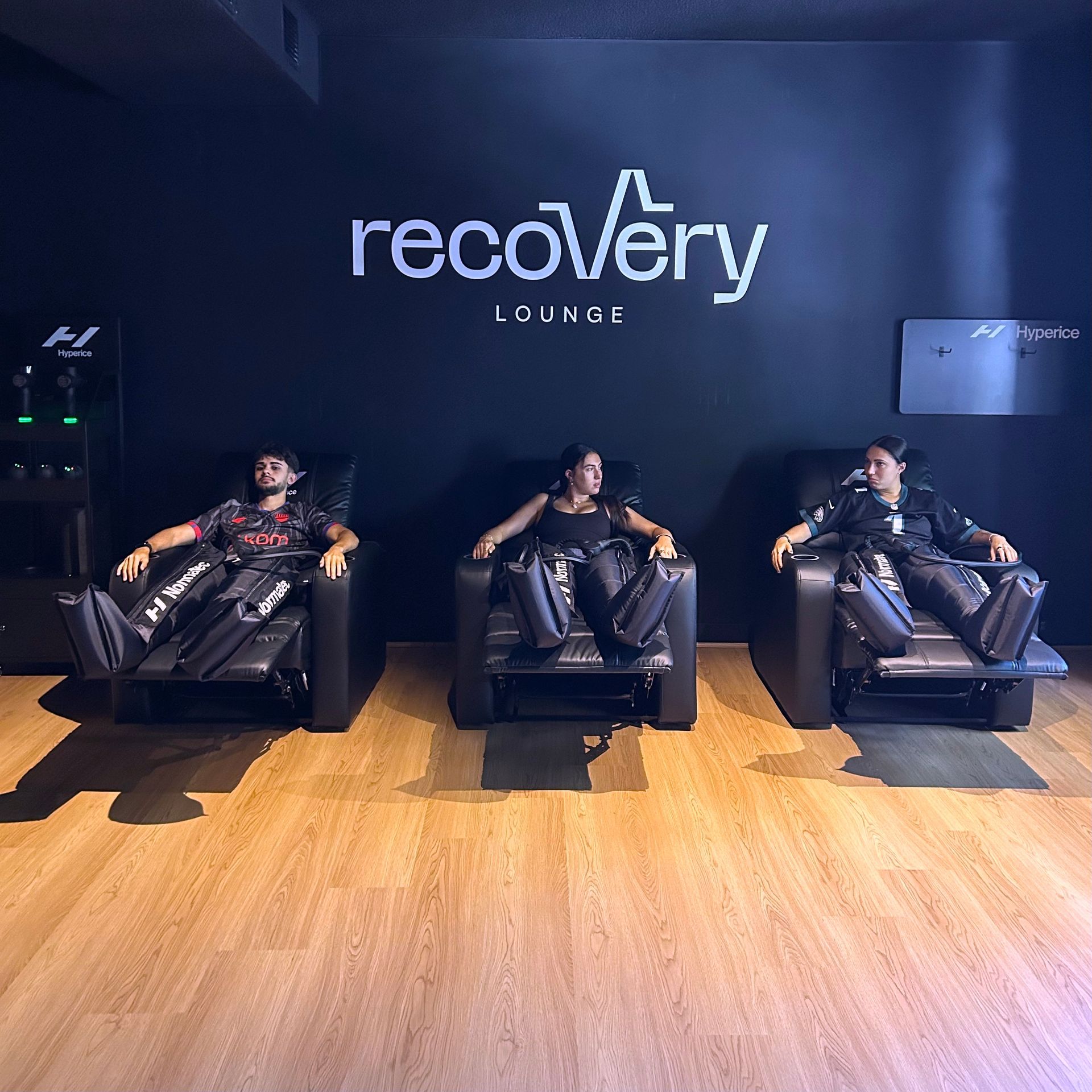
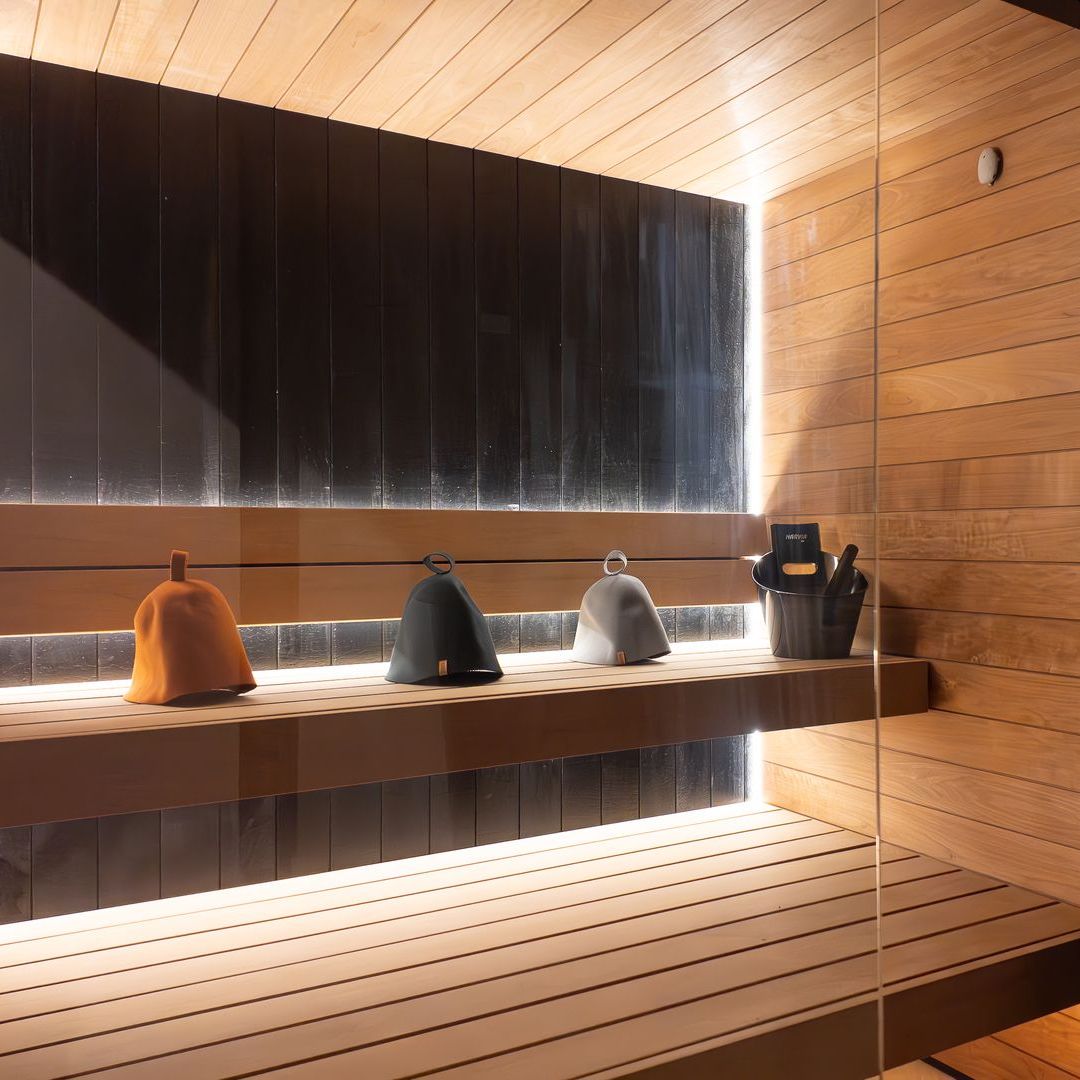
Guided sauna sessions at Recovery Lounge run at 90°C — the temperature range the research identifies as physiologically meaningful. Sessions are structured to support clients through the full thermal stimulus, not to rush them out. This matters because the cellular stress response requires sustained exposure at the right temperature — it is not triggered by a brief, low-temperature sit.
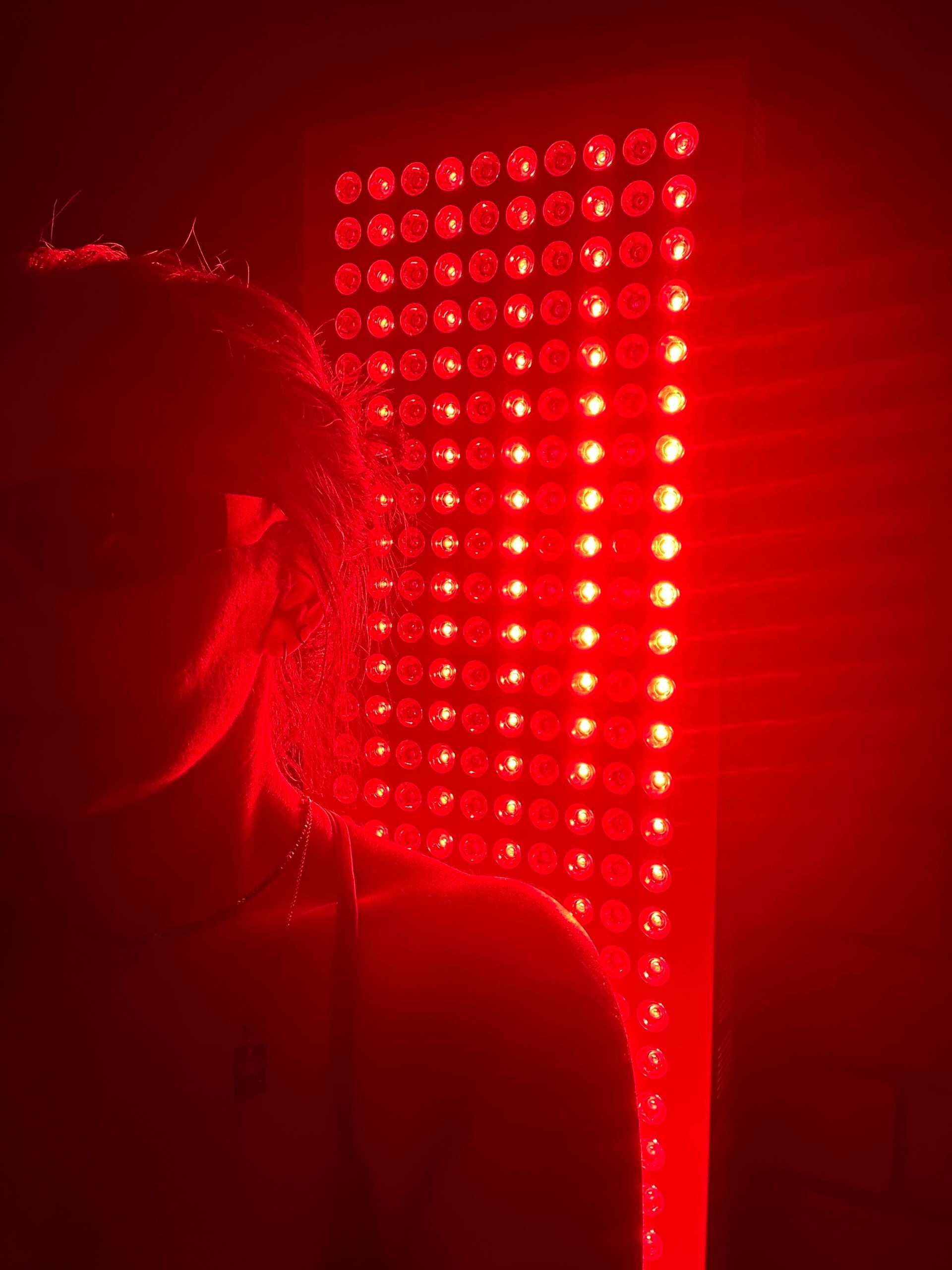
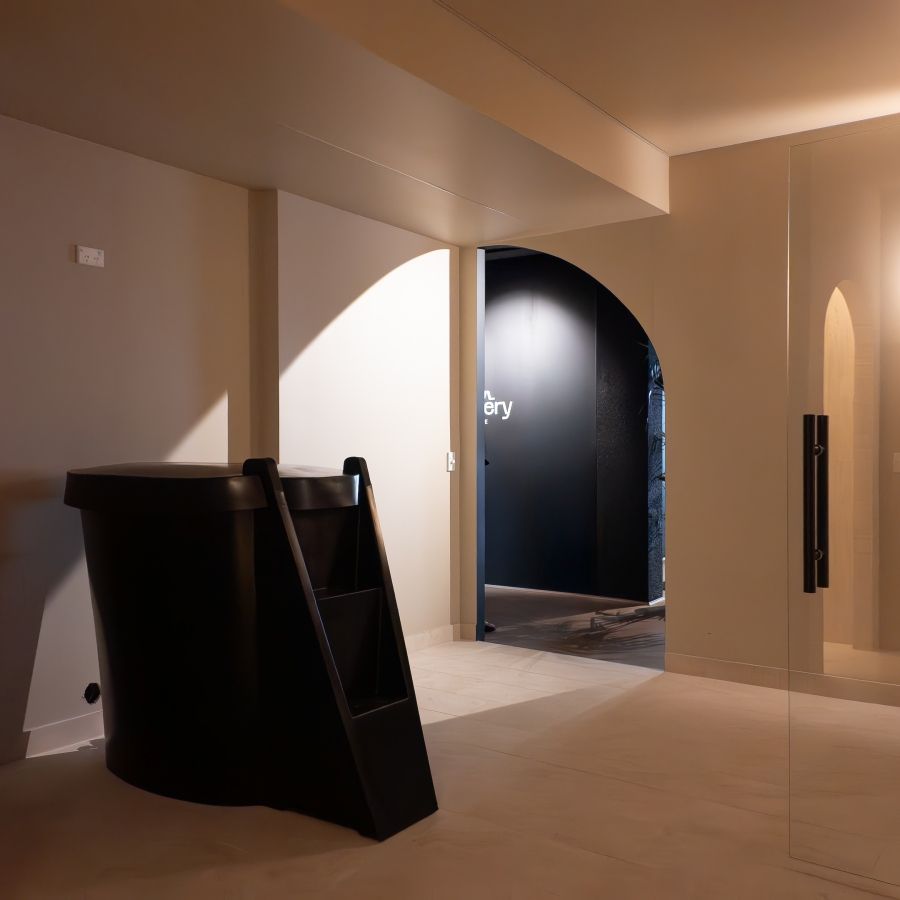
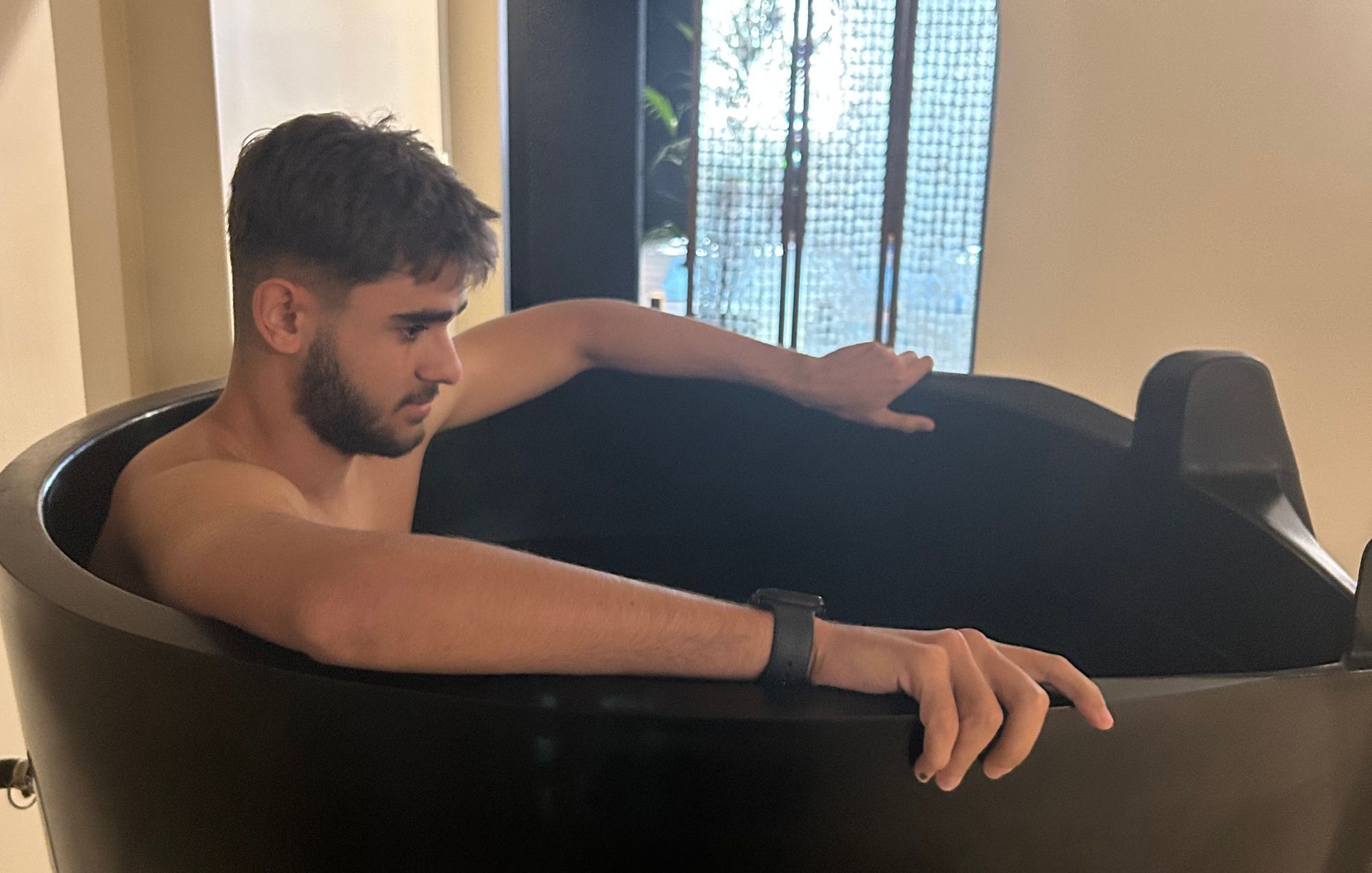
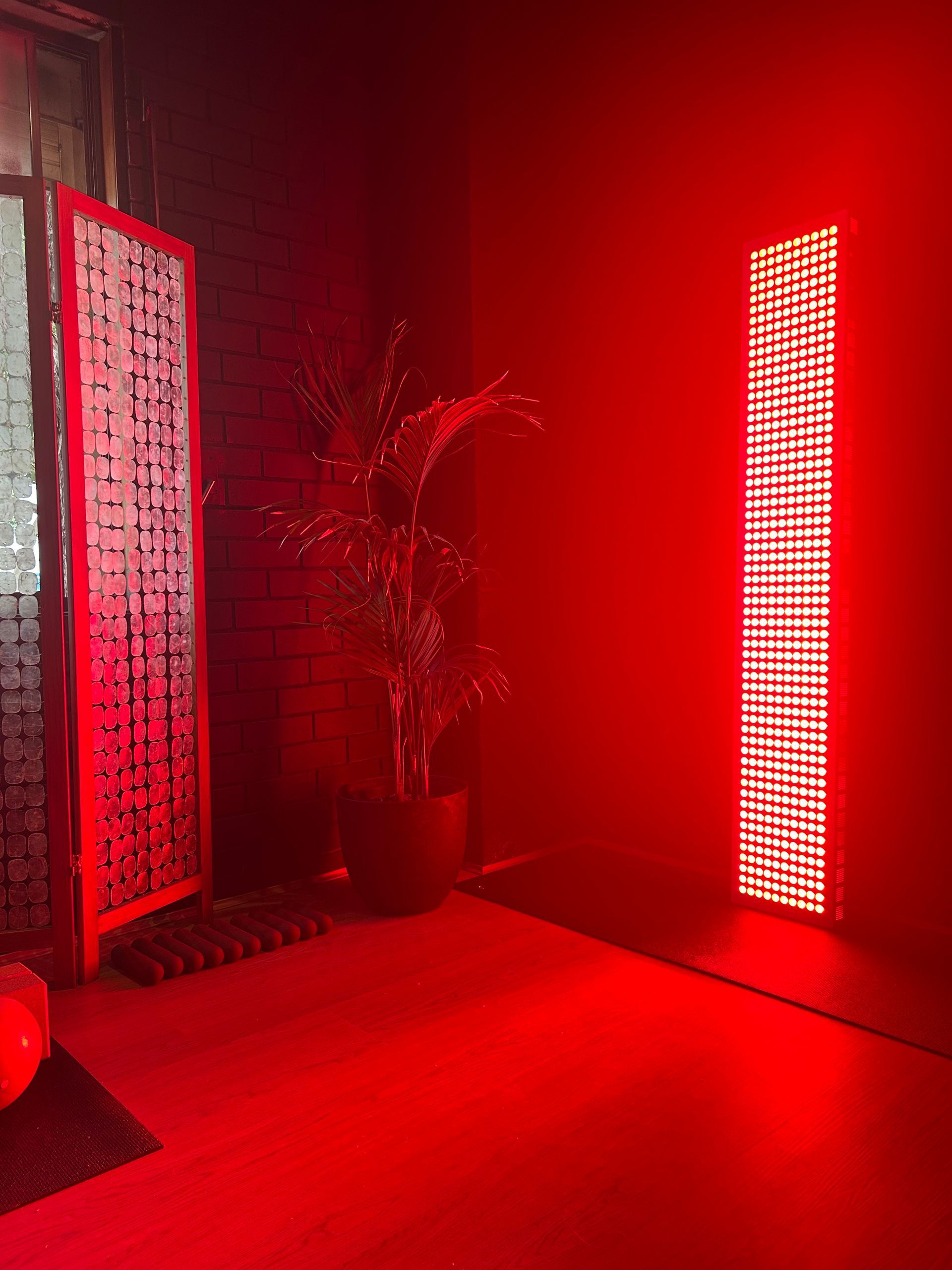
The sequencing matters here too. Red light therapy precedes the sauna. Photobiomodulation at the mitochondrial level prepares the cells for thermal stress — the two modalities operate through complementary mechanisms. The cold plunge follows. Natural rewarming closes the session, preserving the thermogenic and neurochemical response that the contrast triggers.
The sauna is not the gap between red light and the cold plunge. It is the mechanism.
The practical takeaway
Duration at the correct temperature is what separates a productive sauna session from sitting in a warm room. The 15-20 minute threshold at 80–100°C is the stimulus that activates the cellular maintenance response Dr. Rhonda Patrick's research describes. That is the standard a guided session at Recovery Lounge is built around — and it is the standard worth understanding before you next step inside.