Your Nervous System Has a Protocol. Here's Ours.
Angie Szczepanik • April 19, 2026
Why rest and recovery are two very different things.
Most people think of recovery as rest — a passive absence of effort. The neuroscience points to something more precise.
The autonomic nervous system operates in two states. The sympathetic nervous system governs the stress response: elevated heart rate, heightened alertness, rapid breathing, cortisol release. It is designed to activate under threat and subside when the threat passes. The parasympathetic nervous system governs the opposite state: slowed heart rate, reduced cortisol, tissue repair, deep sleep.
The problem in 2026 is not that people experience stress. It is that the stimulus is unrelenting — and most people have no reliable mechanism for shifting back to parasympathetic dominance. Work pressure, screen exposure, poor sleep, and the constant availability of digital demand create a feedback loop that keeps the sympathetic system chronically elevated. The body never receives the clear signal that the threat has passed.
The consequence is predictable. Poor sleep quality. Impaired focus. Mood instability. Reduced stress tolerance. Slower physical recovery. The underlying issue is not burnout in an abstract sense — it is a nervous system that has lost its rhythm between effort and repair.
What the research shows
A 2024 systematic review and meta-analysis, published on ScienceDirect, examined the effect of cold water immersion on autonomic nervous system function. The findings documented enhanced parasympathetic activity and reduced sympathetic nervous system activity following immersion — a measurable shift in the direction of recovery. A separate 2025 PubMed systematic review confirmed positive acute effects on parasympathetic reactivation via heart rate variability measures.
This is not a subjective "feeling of calm." It is a documented, measurable autonomic shift.
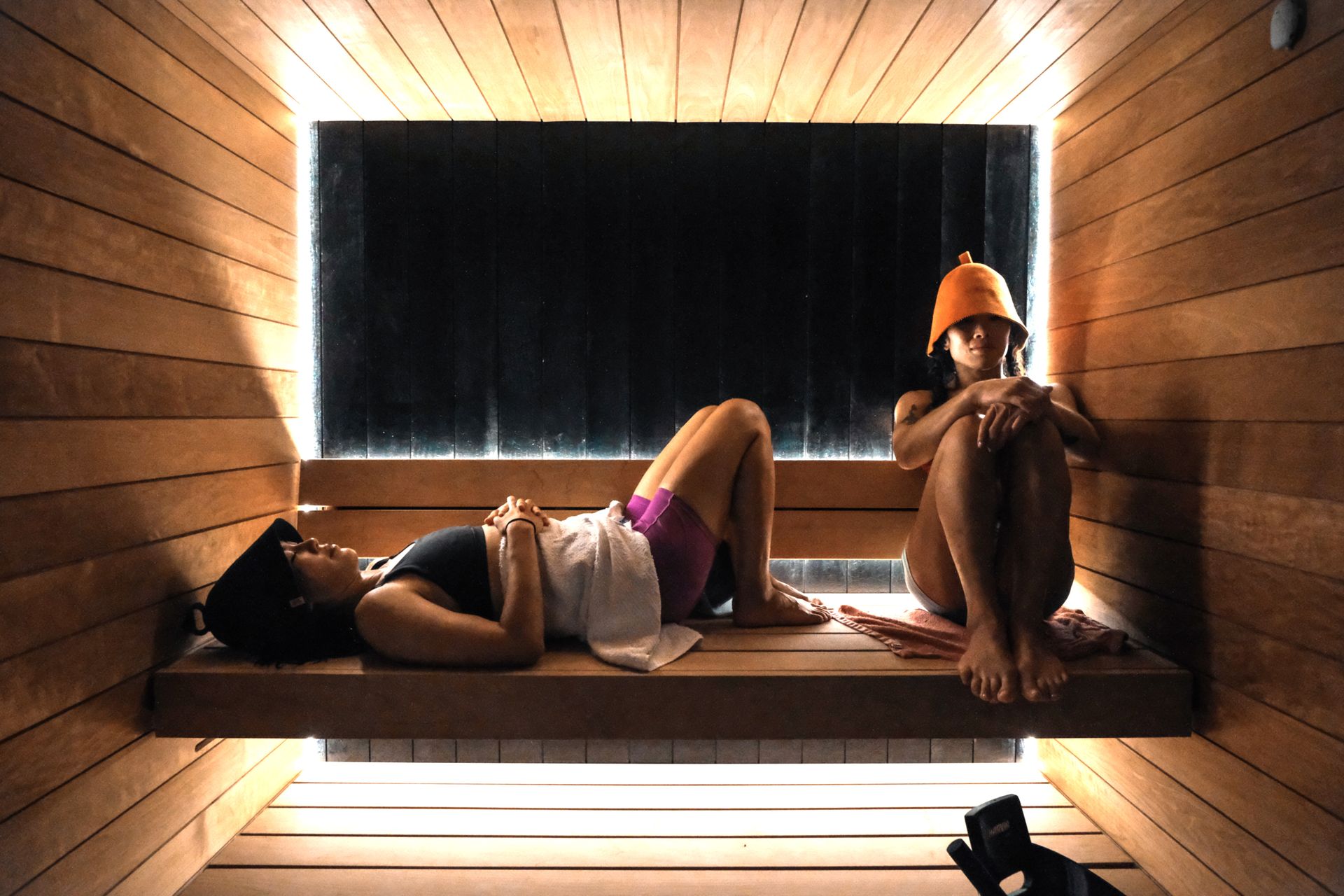
The sauna produces complementary effects through a different pathway. Finnish research has consistently associated regular sauna use with increased heart rate variability during post-sauna cooling — the signature of parasympathetic dominance — and a cortisol reduction of 10 to 40% with sustained use across two to four weeks. The mechanism is hormetic: controlled thermal stress followed by recovery produces adaptation, and the adaptation is measurable in the nervous system's baseline tone.
Dr. Andrew Huberman's documentation of the cold exposure literature identifies the neurochemical dimension: cold water immersion at approximately 14°C triggers a norepinephrine increase of up to 530% and a sustained dopamine elevation of approximately 250%, persisting for two to four hours after the session ends. These are not brief spikes. They represent a sustained neurochemical state that supports focus, mood regulation, and stress resilience in the hours that follow.
Why sequencing is the protocol
The combination of modalities, in the correct order, produces an effect greater than any single element. Red light therapy activates cellular energy production at the mitochondrial level — priming the cells before thermal stress is applied. The sauna applies hormetic heat stress, activates heat shock proteins, and elevates core body temperature. The cold plunge triggers the autonomic shift, the neurochemical surge, and — crucially — forces the body to rewarm itself through thermogenesis when no external heat is provided afterward.
Natural rewarming is not an afterthought. It is the mechanism that completes the parasympathetic shift. The temperature drop after the cold plunge signals the thermoregulatory system in a way that also signals the brain to begin transitioning toward a recovery state.
At Recovery Lounge, every Nervous System Reset session is guided and follows a meaningful timed sequence.
Red light -> Sauna -> Cold plunge -> Natural rewarming -> Breathwork
This is not a preference — it is the order the research supports.
The practical application
A guided contrast therapy session is a deliberate, structured intervention for the autonomic nervous system. It applies sufficient thermal and cold stimulus to produce a measurable shift in nervous system state — and it does so within a single session.
Research on baseline adaptation suggests that consistent use over two to four weeks at three to four sessions per week produces lasting changes to autonomic tone. The nervous system, like any system under controlled stress, adapts. The threshold shifts. The recovery state becomes easier to access.
This is what Recovery Lounge is built for. Not aesthetic wellness. Not passive relaxation. A guided protocol for deliberately shifting your nervous system out of overdrive - and training it to recover there.
Bookings are required for our Sauna & Cold Plunge sessions. Our Red Light Therapy panel can be utilised as an add-on prior to your Sauna & Cold Plunge session for just $15 (no bookings required - if it's available, we recommend you use it every time). Talk to us prior to your next session if you would like to try our Nervous System Reset protocol.
The thermoregulation science.
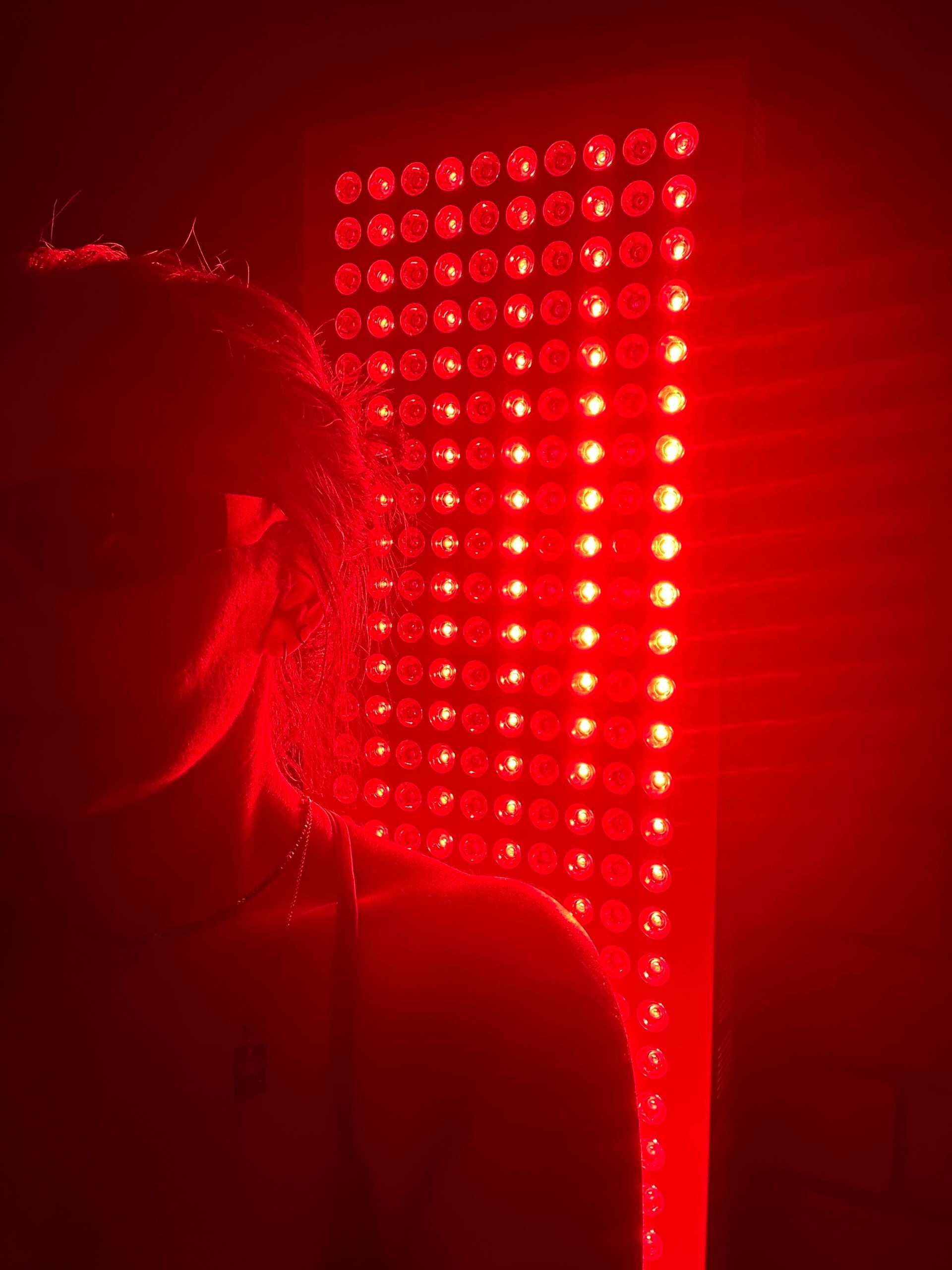
Why red light therapy is best first.
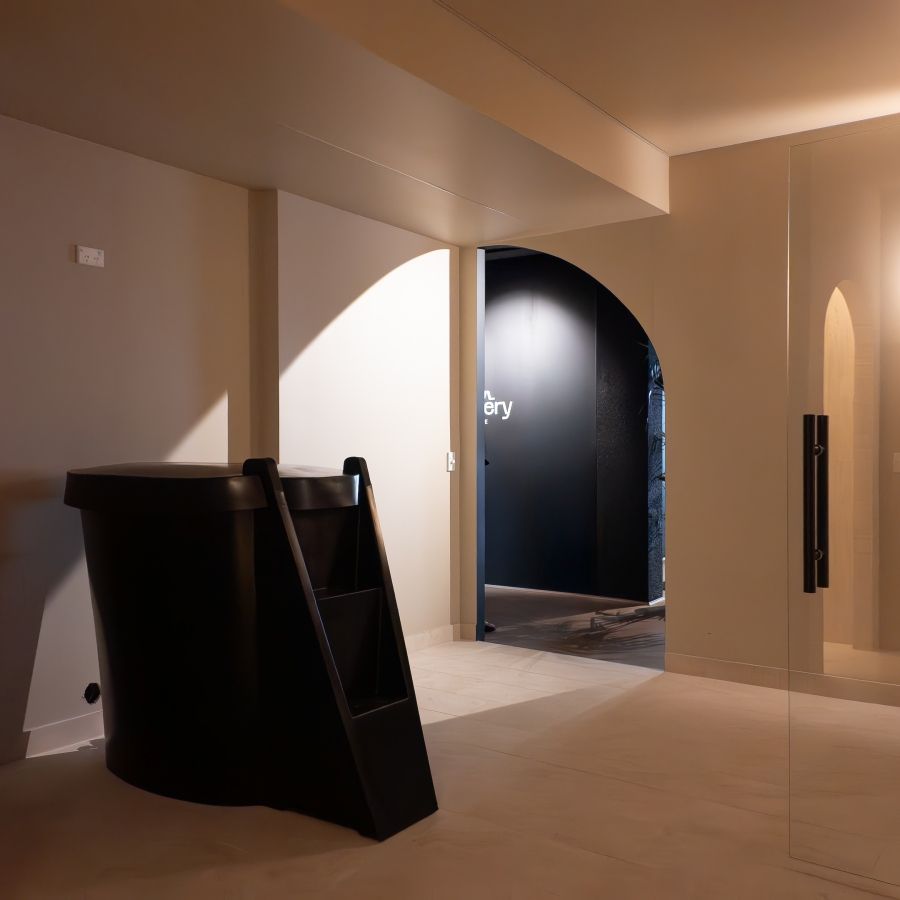
Your cold plunge in winter is more important than ever.
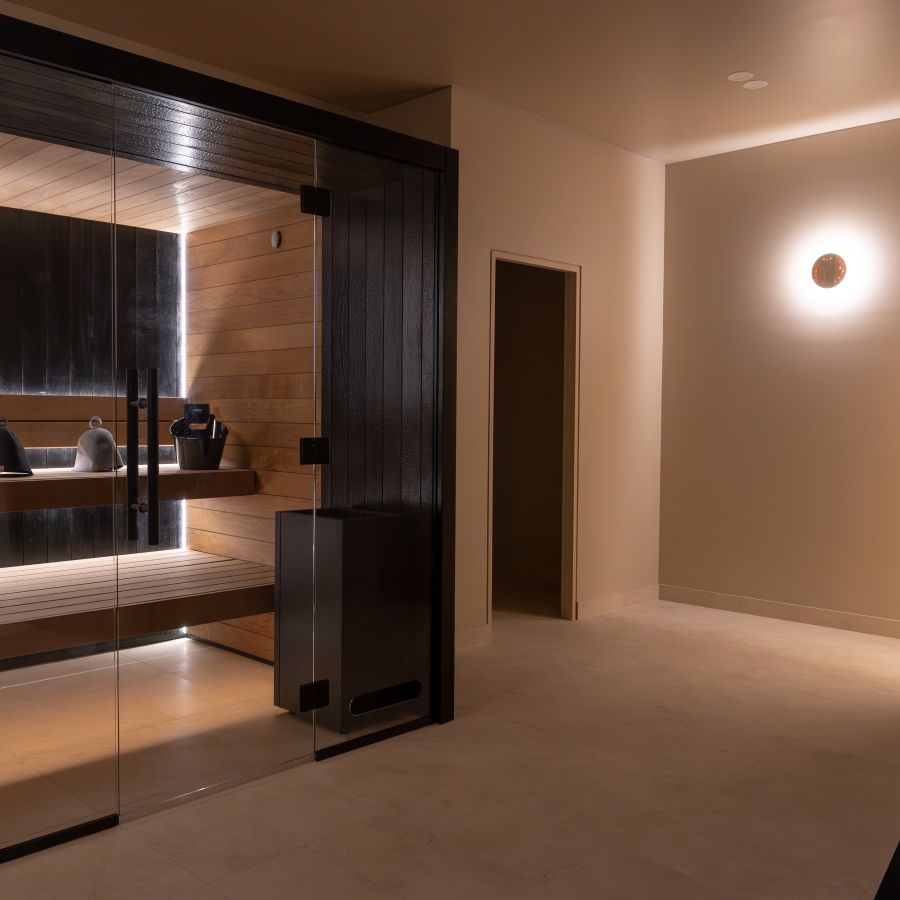
What does deliberate heat exposure do to the brain?
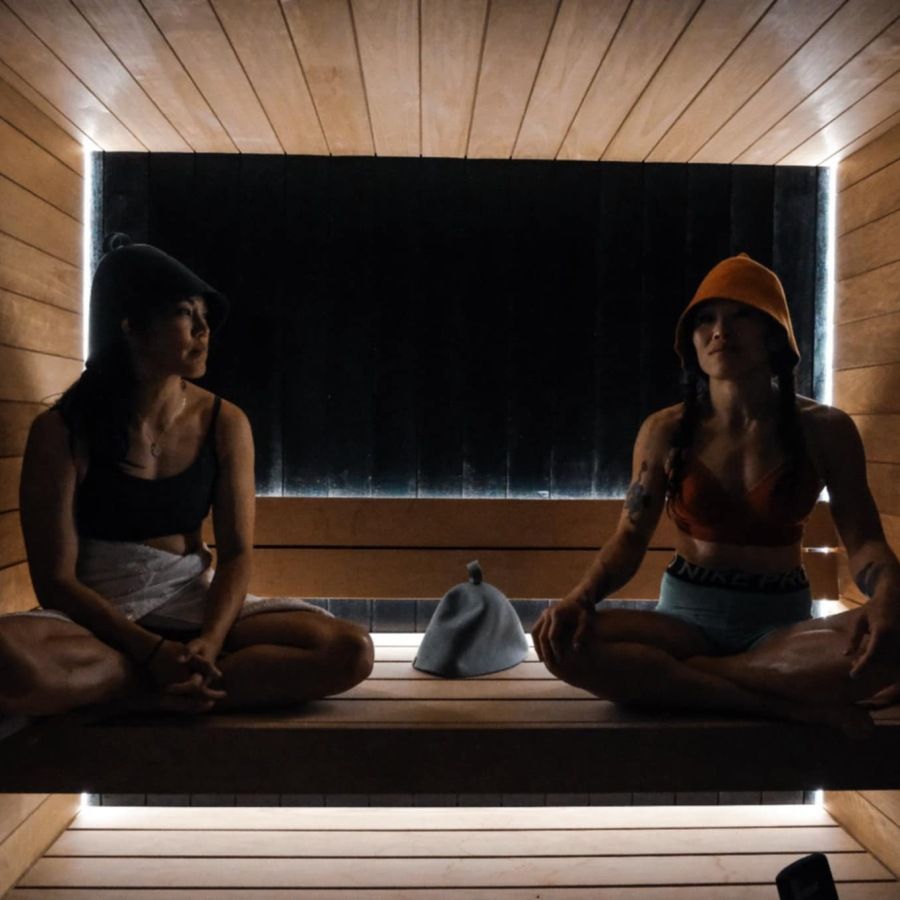
Why your cycle impacts your resilience.
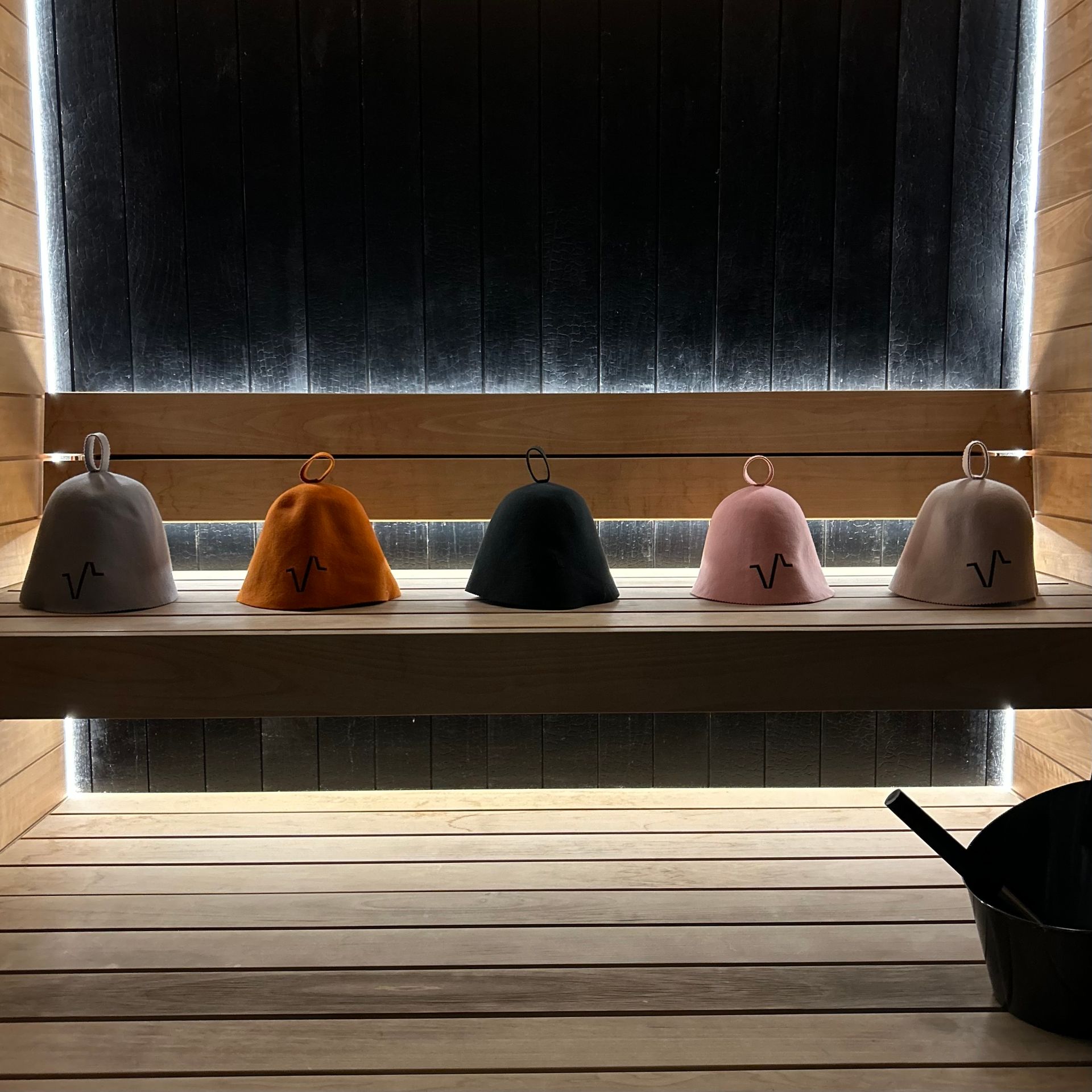
What the 2026 finnish research shows.
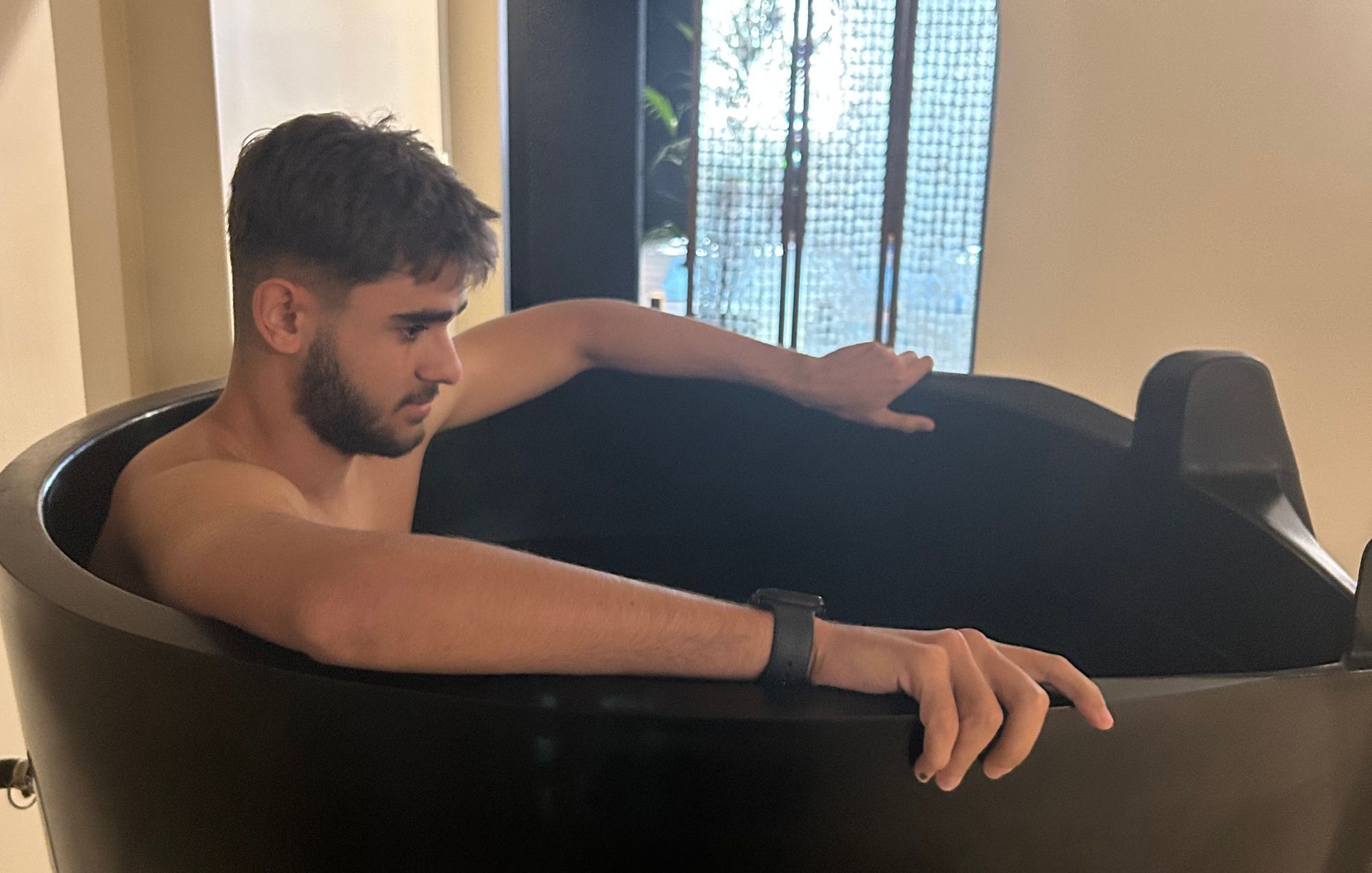
Rewarming naturally is key.
Why timing matters for the physiological effects
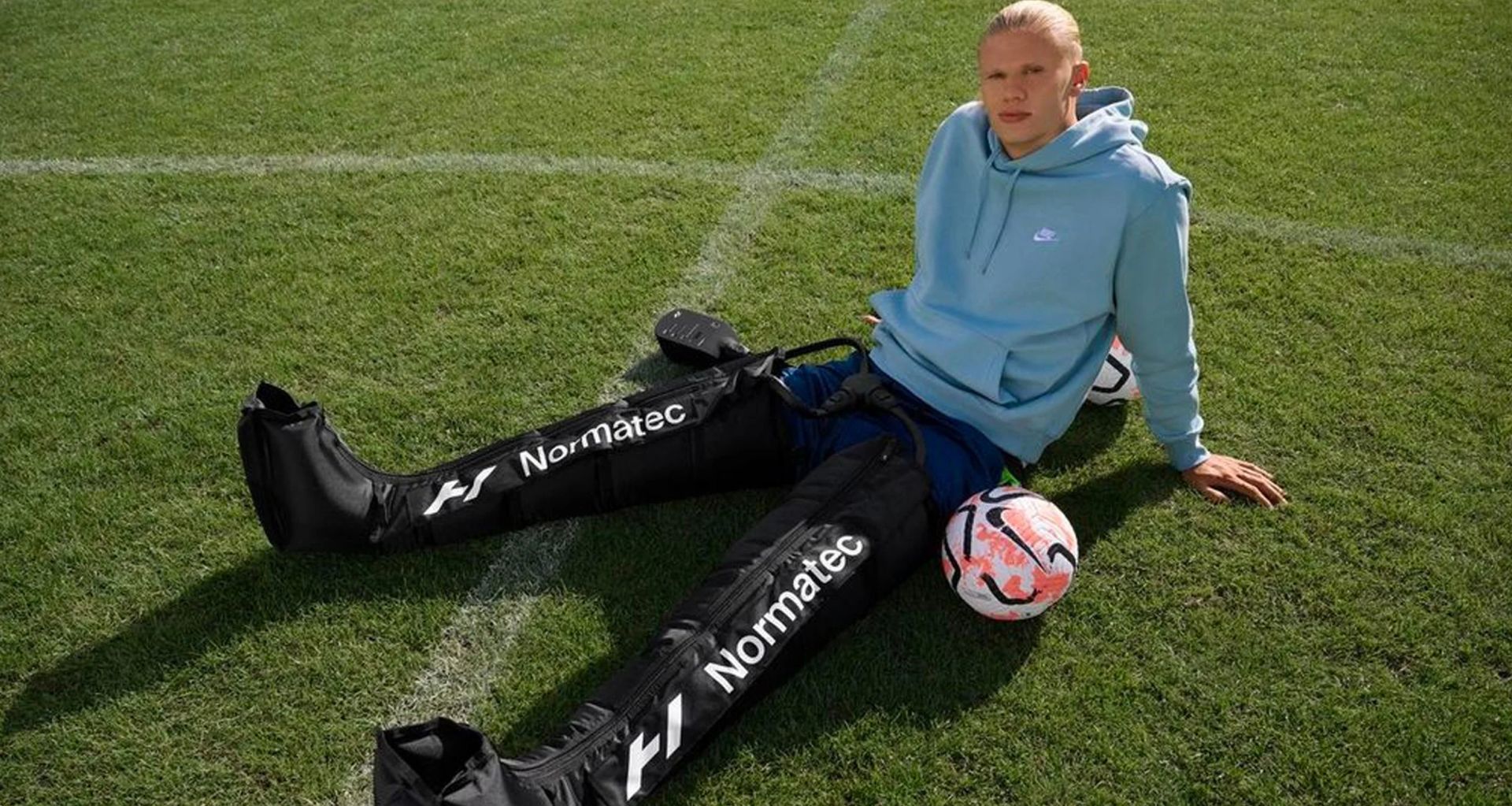
Are you tracking your recovery?
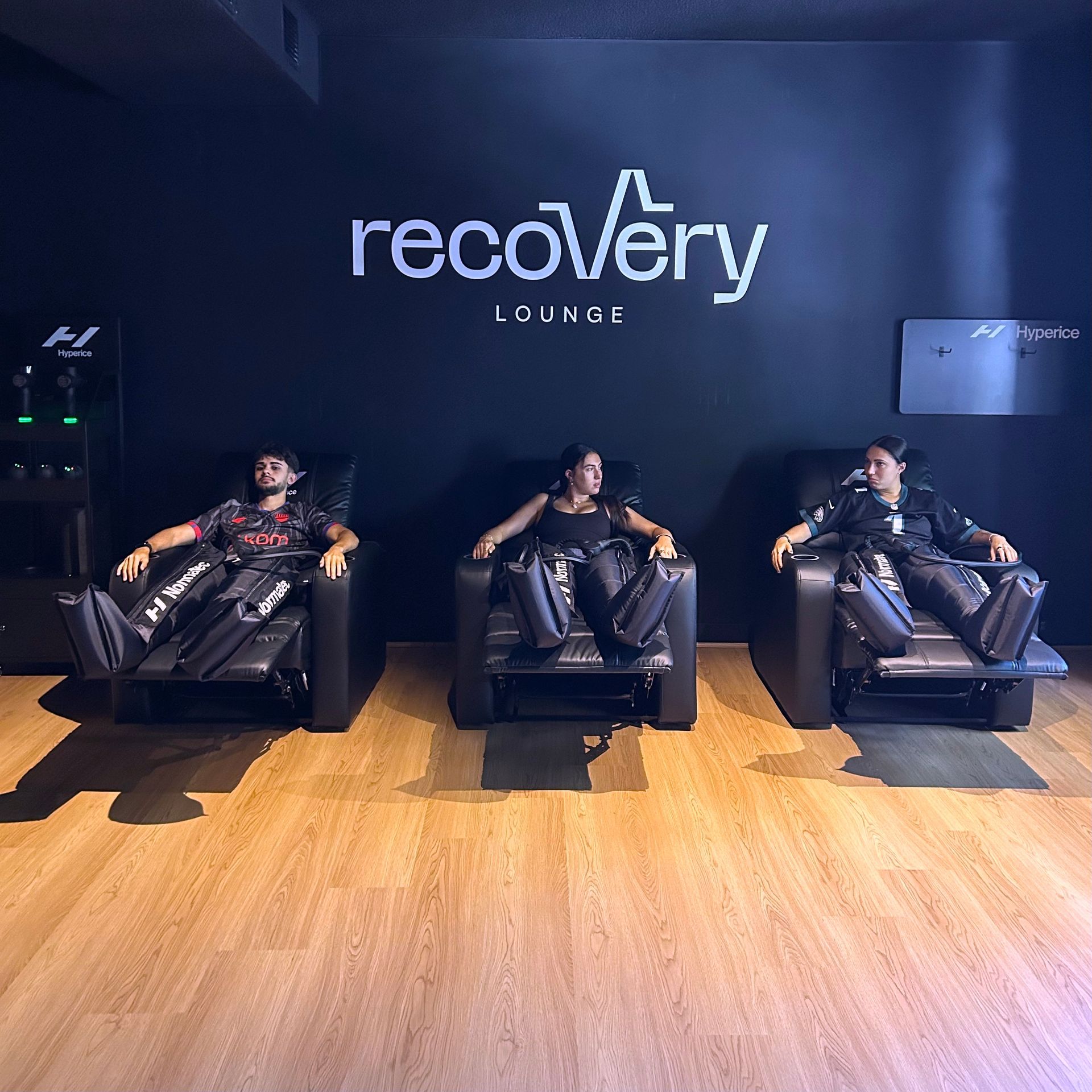
If you've ever wondered why professional athletes spend time in compression boots after training, here's what's going on.


