
Sauna & Cardiovascular Health
Frequent sauna use is associated with meaningfully reduced cardiovascular mortality risk.

The Session You're Not Counting Is Probably the One That Matters Most
Most people who train seriously think about what they put in. Hours per week. Sessions per week. Load, intensity, volume. Very few think about the sauna the same way. That's starting to change. And the research driving that change isn't coming from the wellness industry. It's coming from cardiovascular medicine.
What a 15-year study found
In 2018, researchers from the University of Eastern Finland and collaborating institutions across the UK, USA, and Austria published a prospective cohort study in BMC Medicine. The study followed 1,688 participants — men and women aged 53 to 74 — over a median of 15 years, tracking sauna habits and cardiovascular outcomes.
The headline finding: people who used the sauna four to seven times per week had 77% lower cardiovascular mortality risk compared to those who used it once per week. The relationship was linear. More sessions, lower risk. And it held after the researchers adjusted for physical activity, smoking, body mass index, socioeconomic status, and other cardiovascular risk factors.
This isn't a short study or a small sample. Fifteen years. 181 fatal cardiovascular events tracked. The signal was strong enough that the researchers concluded sauna bathing frequency independently improves prediction of cardiovascular mortality risk — meaning it adds information beyond what standard clinical risk factors alone can tell you.
Why this matters for people who train
The cardiovascular response to a sauna session is well-documented. Heart rate increases to levels comparable with moderate exercise. Cardiac output rises. Blood vessels dilate in response to heat. Over time and with repeated exposure, these responses appear to produce adaptive changes — reduced arterial stiffness, improved endothelial function, lower resting blood pressure.
For people who already train regularly, this means the sauna is not duplicating the stimulus of exercise. It's providing a different cardiovascular input through a different mechanism — one that appears to compound over time with frequency of use.
The practical implication is straightforward. If you're training to stay healthy and perform well for a long time, the sauna isn't a reward at the end of the session. It may be part of the reason the training works as well as it does over years and decades.
A note on what this study is and isn't
This is an observational study. It shows association, not causation. People who use the sauna four to seven times per week may differ from once-weekly users in ways that weren't fully captured, even after careful adjustment for known confounders.
What it isn't is a small or weak signal. The magnitude of the association — 77% lower risk with frequent use — is large enough to take seriously. And the dose-response relationship, where risk decreases linearly with increasing frequency, is the pattern researchers look for when trying to understand whether an association is likely to reflect a real biological relationship.
What a session at Recovery Lounge looks like
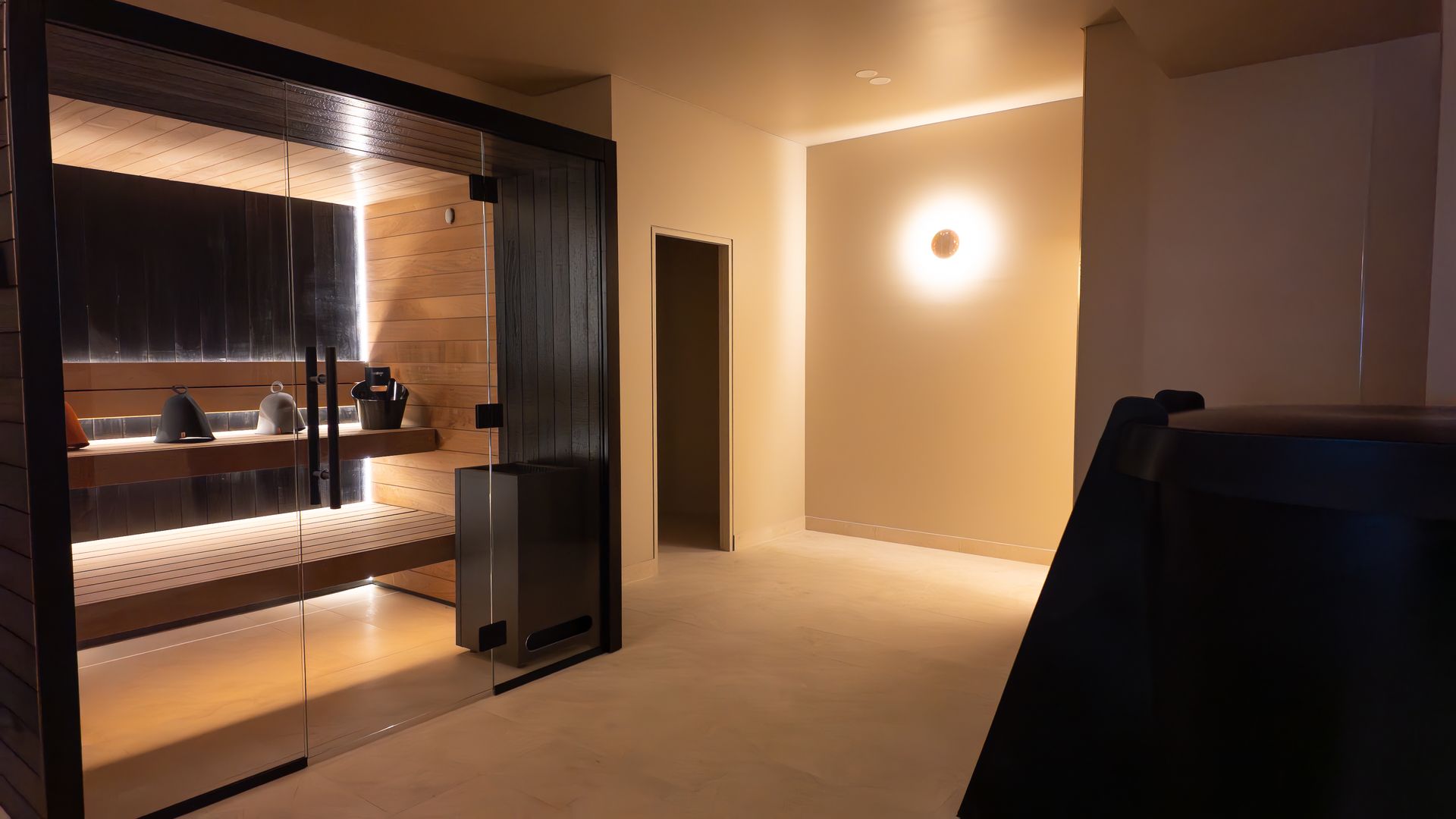
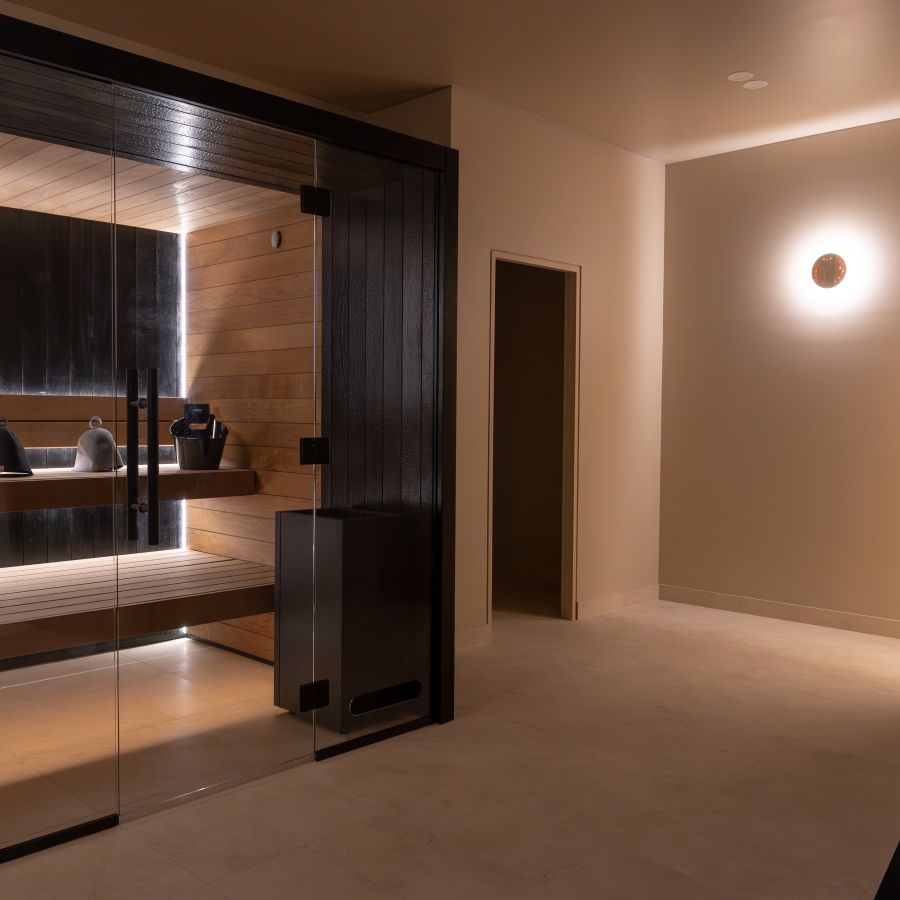
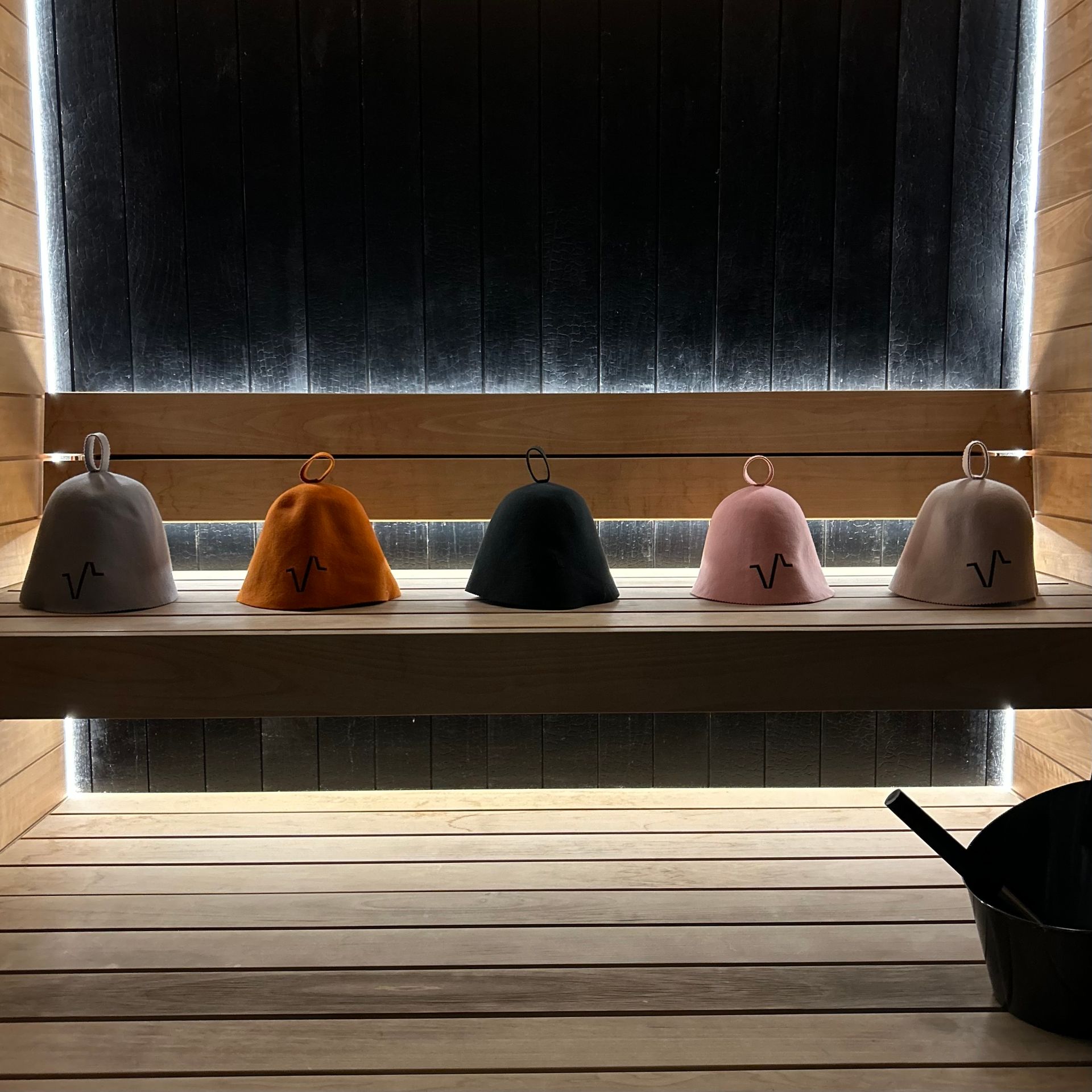
Our traditional sauna operates at temperatures consistent with those used in the Finnish research literature - 85-90 degrees celsius. Traditional sauna hits differently, it targets your core instantly meaning maximum benefit in less time. Sessions are guided and protocols explained. We manage the environment so you're not guessing at time or temperature — you arrive, you recover, you leave feeling different than when you came in.
Many people use it as a standalone session. Many combine it with cold plunge as part of contrast therapy. Both approaches have their own evidence base and their own physiological logic.
The frequency finding from this research is worth holding onto. Once a week is a start. Twice or three times a week is where the evidence suggests the relationship strengthens meaningfully.
Sauna sessions available 6 days a week. Feel better in just 2 x 15 minute sauna sittings per booked session - start your new routine now!
Source: Laukkanen T, et al. Sauna bathing is associated with reduced cardiovascular mortality and improves risk prediction in men and women: a prospective cohort study. BMC Med. 2018;16:219. PMC6262976.