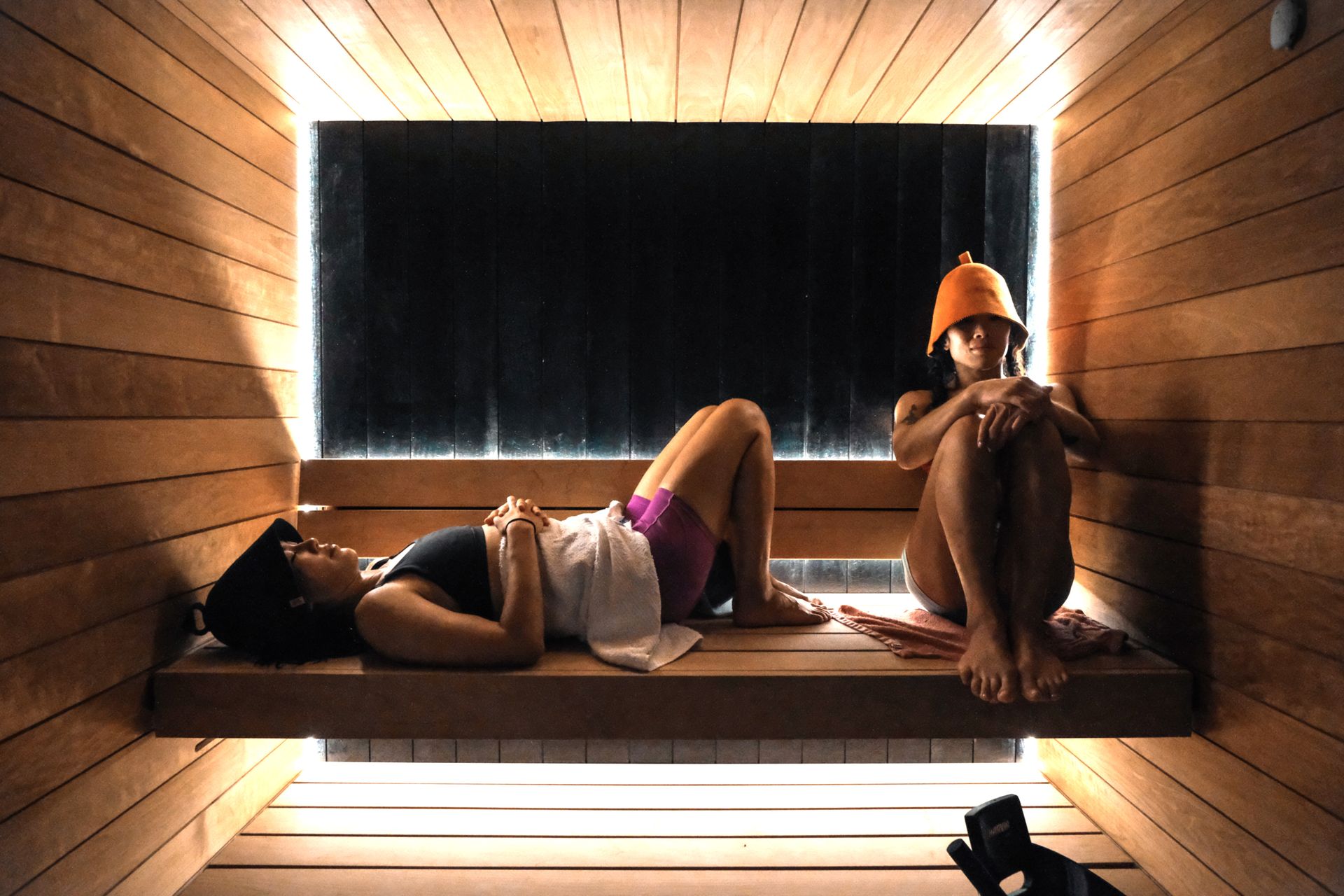

What Sitting in 90 Degrees Does to Your Body
Why the discomfort of the sauna is exactly the point.
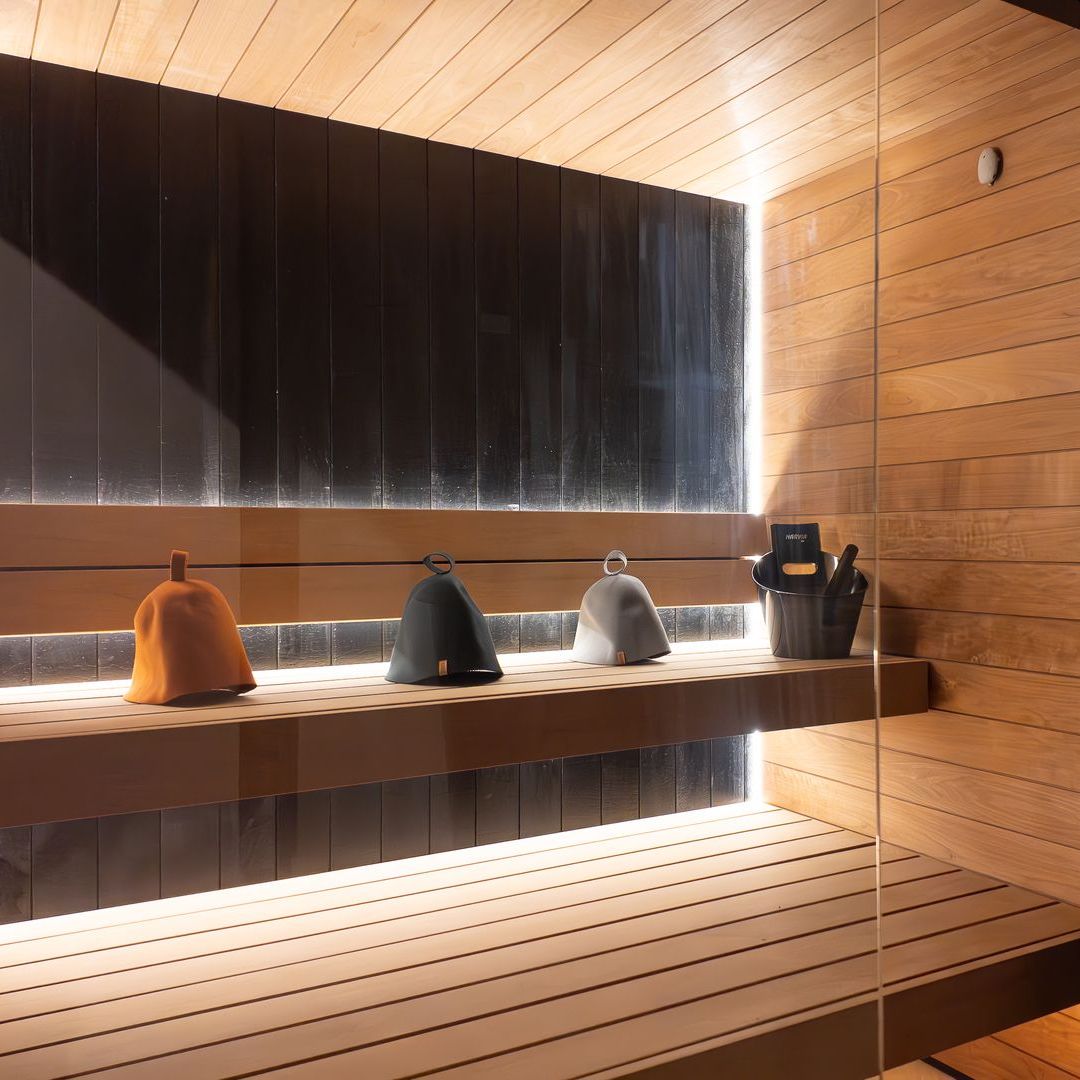
Most people think of sauna as a treat. Something you do at a resort after a massage. A reward for a hard week. The science sees it differently. A lot differently.
The Study That Changed How Researchers Think About Heat
In 2018, a study published in BMC Medicine followed 1,688 participants over time. Researchers wanted to understand whether sauna frequency — not just sauna use, but how often — changed health outcomes.
The results were not subtle.
27% less likely to die from a cardiovascular event — people using sauna 2-3x per week vs. once a week.
50% less likely — people using sauna 4-7x per week vs. once a week.
The researchers didn't just look at raw numbers. They controlled for smoking, body weight, whether people exercised or not. The sauna benefit held.
It wasn't correlation. It was the heat.
"Regular use of sauna can reduce mortality to cardiovascular events — and the benefit scales with frequency." — Dr. Andrew Huberman, Professor of Neurobiology, Stanford School of Medicine
Your Body Has Two Temperatures. Most People Only Know About One.
You have a shell temperature — your skin. And a core temperature — your organs, your nervous system, your spinal cord.
These two temperatures are always in conversation. Your brain monitors both constantly and sends signals throughout your body to heat up or cool down.
When you enter a properly hot environment — 80°C to 100°C is the evidence-supported range — both temperatures rise. Your heart rate climbs to between 100 and 150 beats per minute. Blood flow increases. Plasma volume expands.
Physiologically, this looks almost identical to cardiovascular exercise.
Except you're sitting down.
The Cortisol Effect
One of the lesser-discussed benefits of deliberate heat exposure is its impact on cortisol — the hormone most associated with chronic stress.
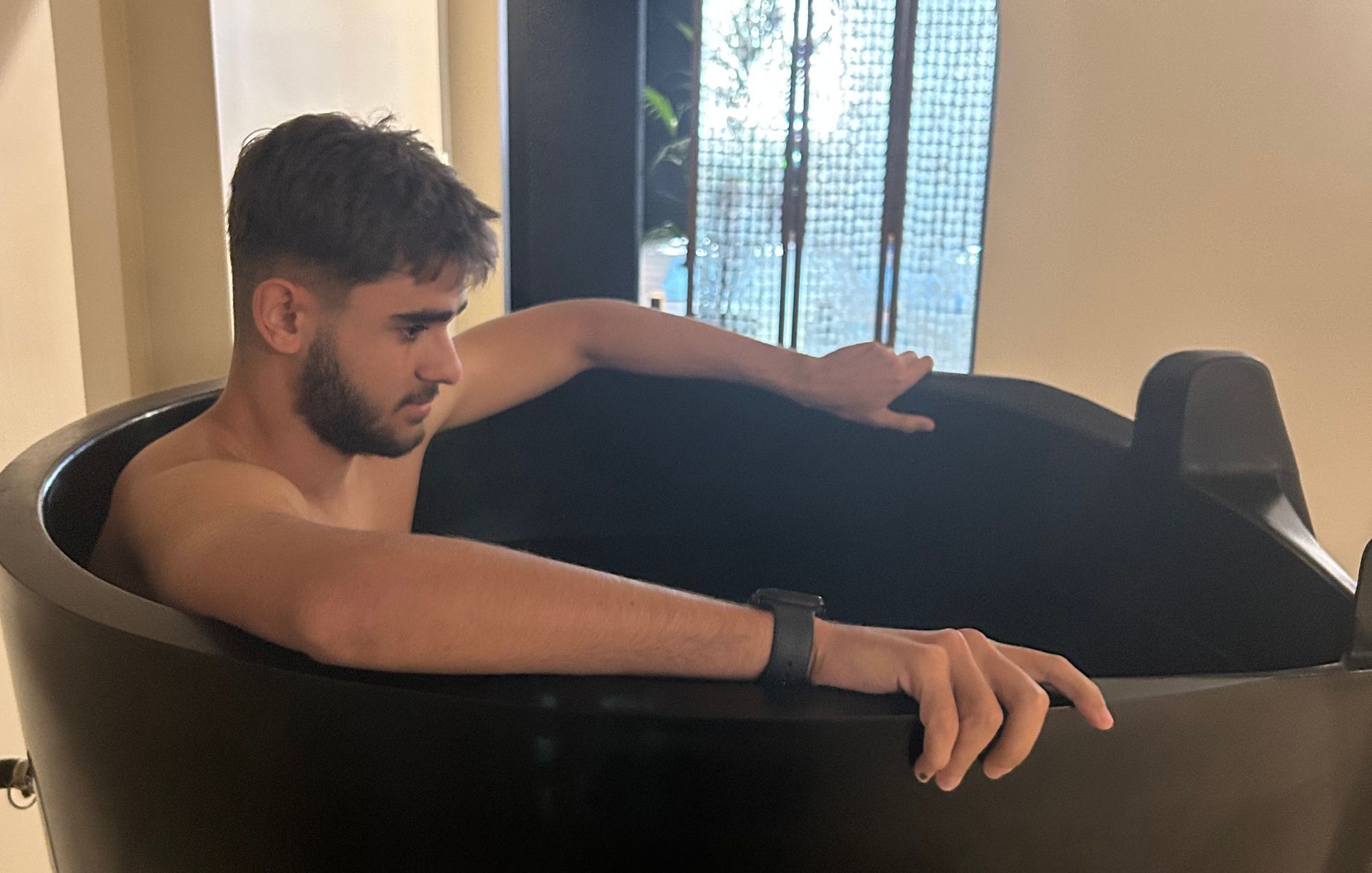
In a 2021 study examining endocrine effects of repeated hot thermal stress, subjects attended four 12-minute sauna sessions at 90-91°C, each followed by a 6-minute cool-down in cold water. The result was a significant decrease in cortisol output.
For anyone carrying the weight of accumulated stress — overwork, overtraining, or just the general pressure of a demanding life — that's not a small finding.
Cortisol affects sleep quality, immune function, recovery, and mood. Bringing it down isn't cosmetic. It's foundational.
What Heat Does at the Cellular Level
Go deeper and the picture gets more interesting.
Heat shock proteins: When your body temperature rises, these protective molecules activate and move through your system, preventing proteins from misfolding under stress. Think of them as quality control for your cells.
FOXO3: This molecule sits upstream in pathways related to DNA repair and cellular cleanup. Sauna exposure — particularly two to seven times per week in the 80-100°C range — has been shown to upregulate FOXO3 activity.
Here's a remarkable data point: individuals who naturally carry extra copies of FOXO3, or hyperactive versions of it, are 2.7 times more likely to live to 100 or beyond.
Deliberate heat exposure is one of the few known ways to activate that same pathway.
The Mood Signal You Didn't Expect
There's a neurochemical sequence worth understanding.
When you enter an uncomfortably hot environment, your brain releases dynorphins — molecules that bind to kappa receptors and create the agitation and discomfort that make you want to leave.
That feeling is not a problem. It's the mechanism.
As a downstream consequence of dynorphin binding, your brain upregulates the sensitivity of the systems that bind feel-good endorphins. Over time, this means an elevated baseline mood. A greater capacity to experience joy, focus, and wellbeing in ordinary moments.
The discomfort you push through isn't separate from the benefit. It is the benefit.
The Protocols That Matter
Cardiovascular and longevity benefits:
3-7 sessions per week / 10-20 minutes per session / 80-100°C
Cortisol reduction:
4 sessions of 12 minutes / 90°C / followed by a cold water cooldown
Growth hormone stimulation:
4 sessions of 30 minutes / done in a single day / no more than once per week (the body adapts quickly — frequency reduces the effect)
Timing:
Later in the day tends to work better for most people. As your body cools after leaving the sauna, core temperature drops — and that drop signals sleep. Many find this deepens sleep quality.
Hydration:
16 oz of water for every 10 minutes in the sauna. Electrolytes matter if you're a heavy sweater.
Why Guided Matters
The research is precise about protocol. Temperature ranges. Session durations. Cooling intervals. The difference between a 5-minute visit and a 20-minute visit isn't just more time — it's a different physiological trigger.
Self-directed heat exposure gets some of this right, some of the time.
Guided sessions — with someone who knows what each stage is supposed to accomplish — tend to get more of it right, more consistently.
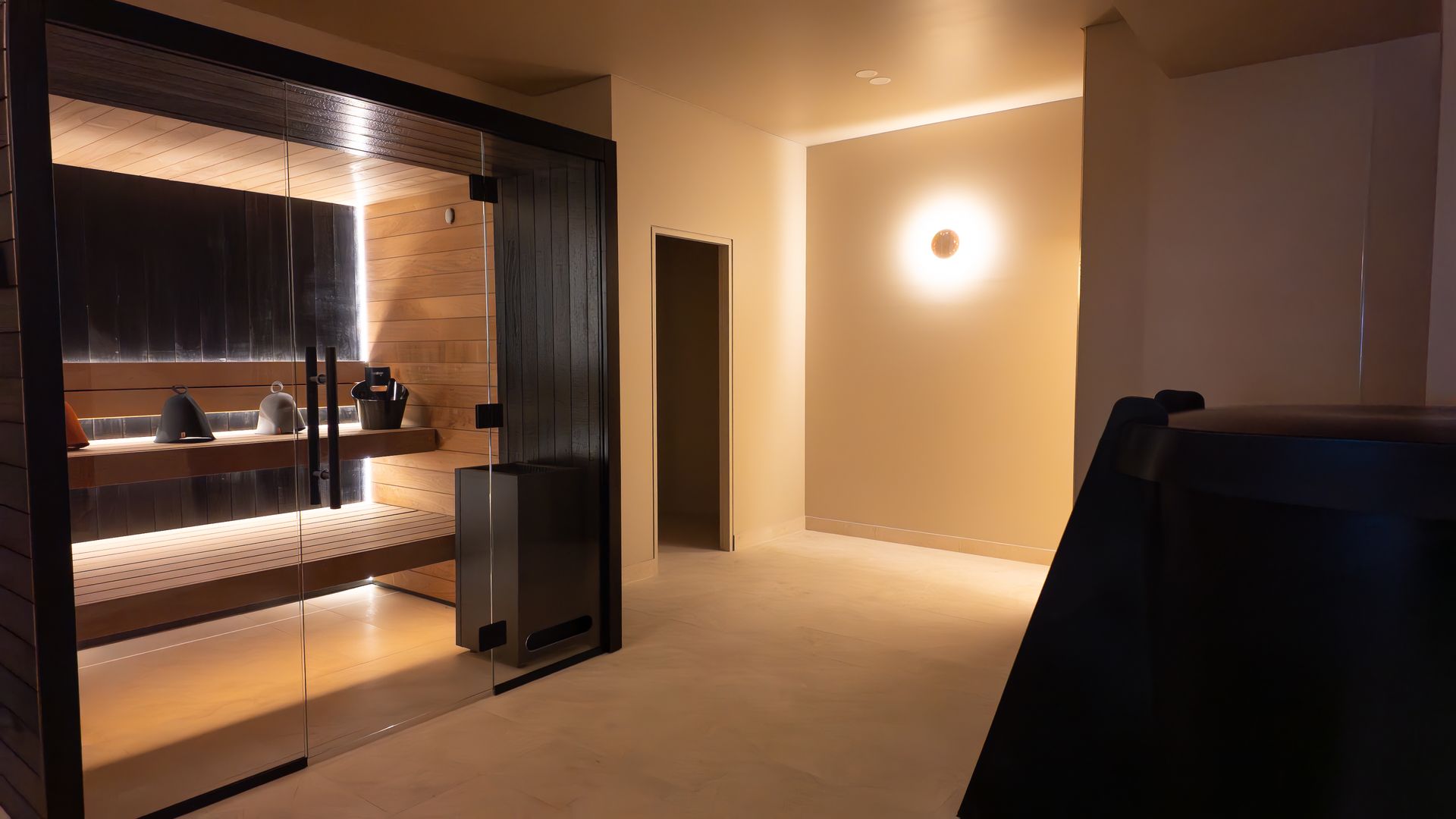
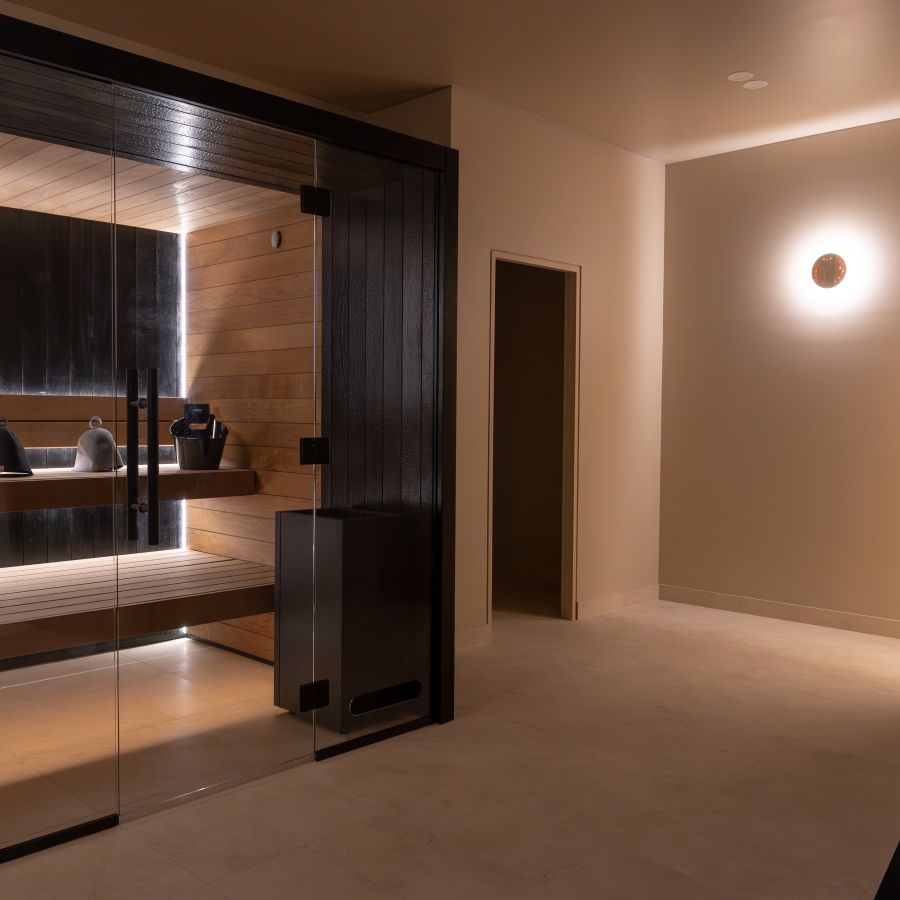
That's the design philosophy at Recovery Lounge. Small groups, intentional protocols, and someone in the room who can read whether you're working in the productive zone or approaching the edge of it.
Sessions run Monday through Saturday. Intro offer available for first-time visitors.
Information contained in this blog post credited to Huberman Lab Essentials - Benefits of Sauna & Deliberate Heat Exposure. For the full episode of the podcast:
https://www.hubermanlab.com/episode/essentials-benefits-of-sauna-and-deliberate-heat-exposure