
Sauna, Cold & The Menstrual Cycle
Why your cycle impacts your resilience.
Most protocols for cold plunge and sauna exposure were built on data from male subjects. For women, the picture is more nuanced — and there is a growing body of research that maps exactly how thermal tolerance changes across the menstrual cycle.
The mechanism begins with hormones. Thermoregulation researchers Dr. Narissa Charkoudian and Dr. Nina Stachenfeld have documented a clear pattern: in the luteal phase (ovulation to the start of menstruation), progesterone raises the body's thermoregulatory set-point by approximately 0.3–0.5°C. This shifts the thresholds for both sweating onset and cutaneous vasodilation upward — the body allows core temperature to climb higher before activating heat-loss responses. The result is that the same sauna session that feels comfortable in the follicular phase may feel noticeably harder two weeks later, even at identical temperatures and duration.
The follicular phase, when estrogen is relatively dominant, produces the opposite condition: lower resting core temperature, more efficient heat dissipation, and better tolerance for thermal stress. Research by Kaciuba-Uscilko and Grucza confirmed that women in the follicular phase begin sweating earlier and dissipate heat more efficiently than during the luteal phase. This is the physiological window where the body tolerates more sauna exposure and more intense cold contrast.
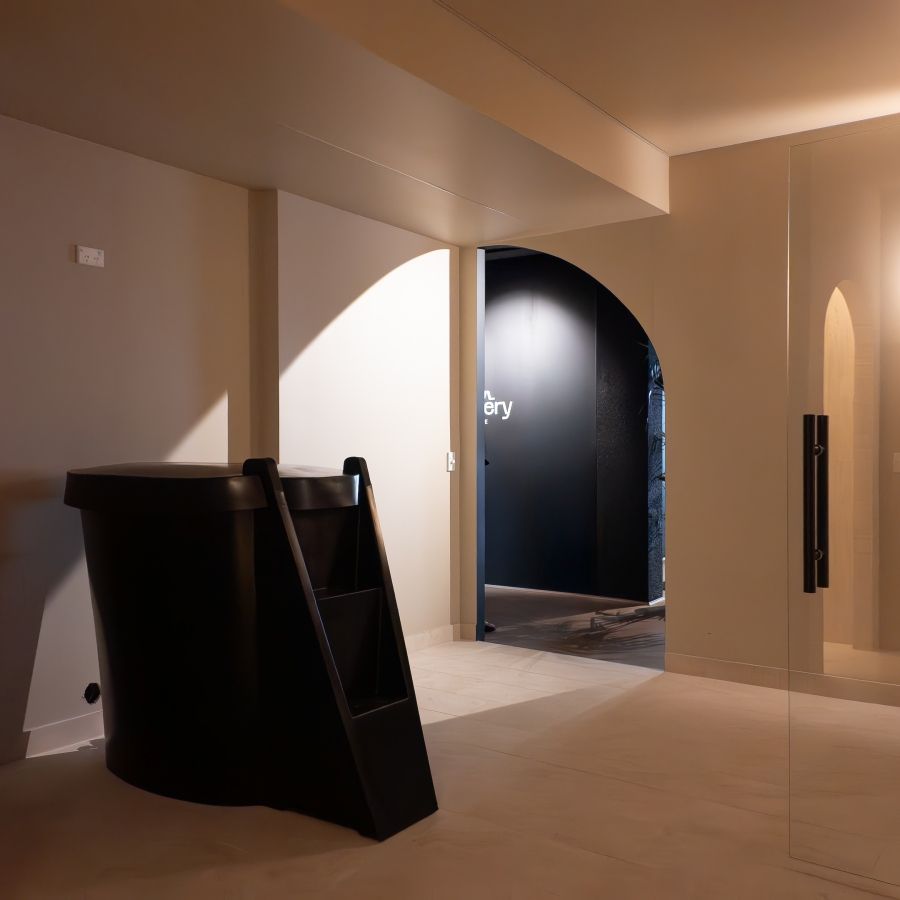
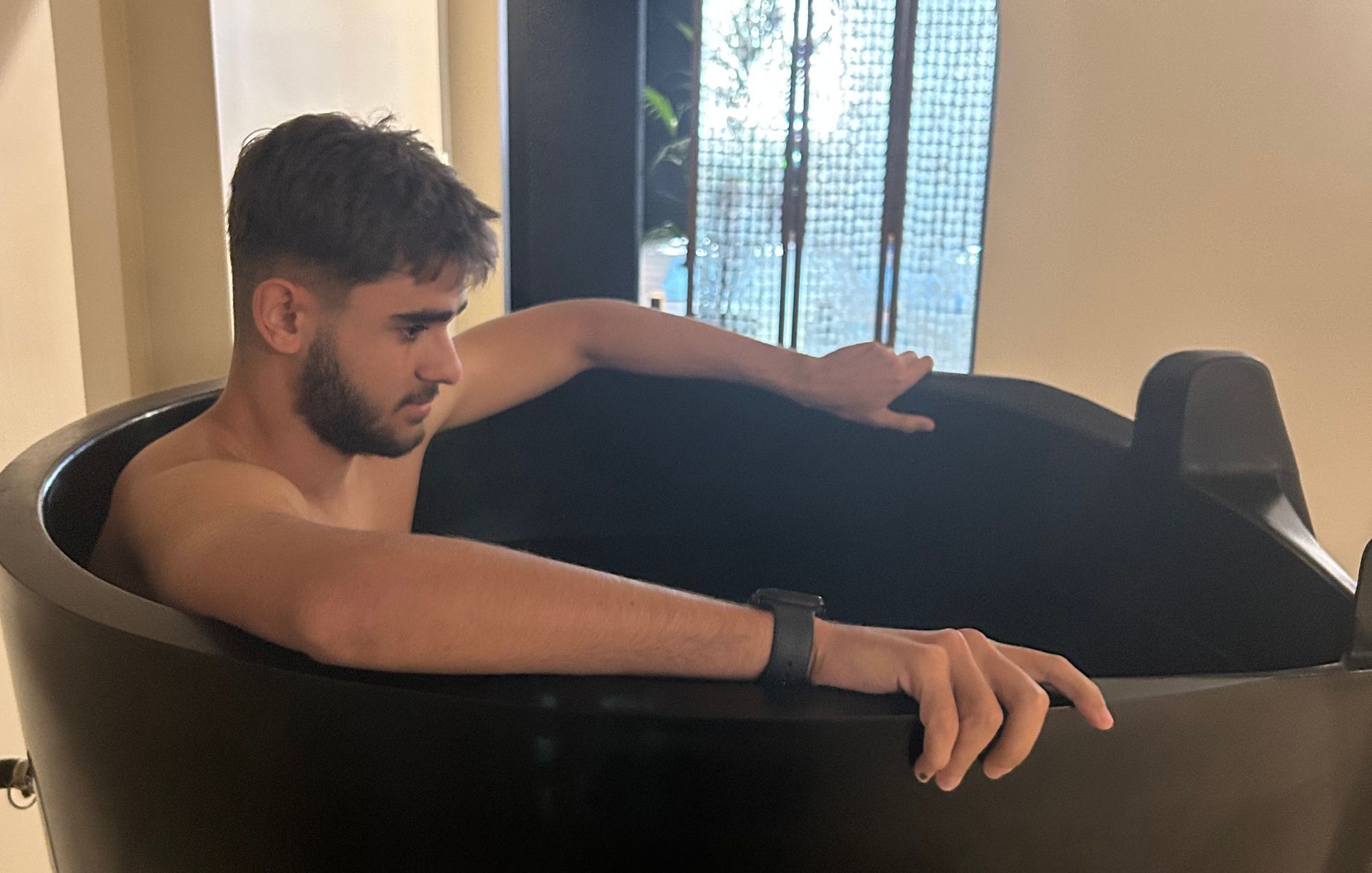
Exercise physiologist Dr. Stacy Sims, based at the University of Waikato, has applied this thermoregulation research specifically to cold water immersion. She recommends that women target water temperatures of approximately 12–16°C rather than near-ice protocols frequently promoted for male subjects. At that temperature range, the key physiological responses — norepinephrine release, mild shivering thermogenesis, mitochondrial signalling — remain intact, while the cortisol and sympathetic nervous system load stays manageable across both cycle phases. Sims recommends adjusting session duration in the luteal phase: shorter exposures (1–3 minutes) compared to the follicular window, where 2–4 minute sessions 3–4 times per week are generally well tolerated.
A 2024 survey published in Post Reproductive Health (Pound et al., doi:10.1177/20533691241227100) captured responses from 1,114 women who regularly swim in cold water. Among those reporting menstrual symptoms, 46.7% said cold water swimming reduced their anxiety and 37.7% reported reduced mood swings. Among perimenopausal women, 30.3% reported fewer hot flushes. The study is observational and self-reported, so it speaks to experienced benefit rather than clinical outcome — but the consistency across a large sample is notable.
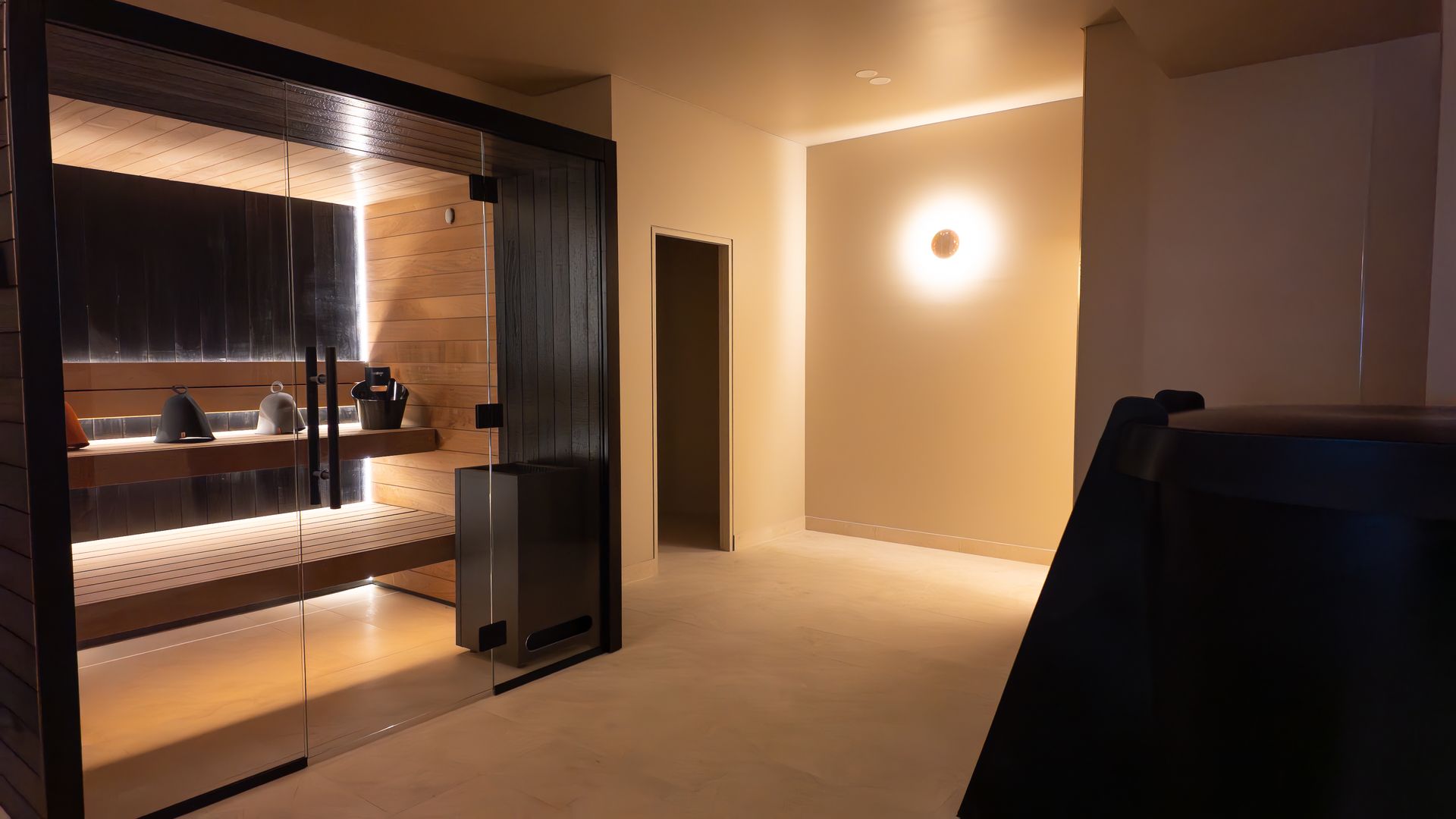
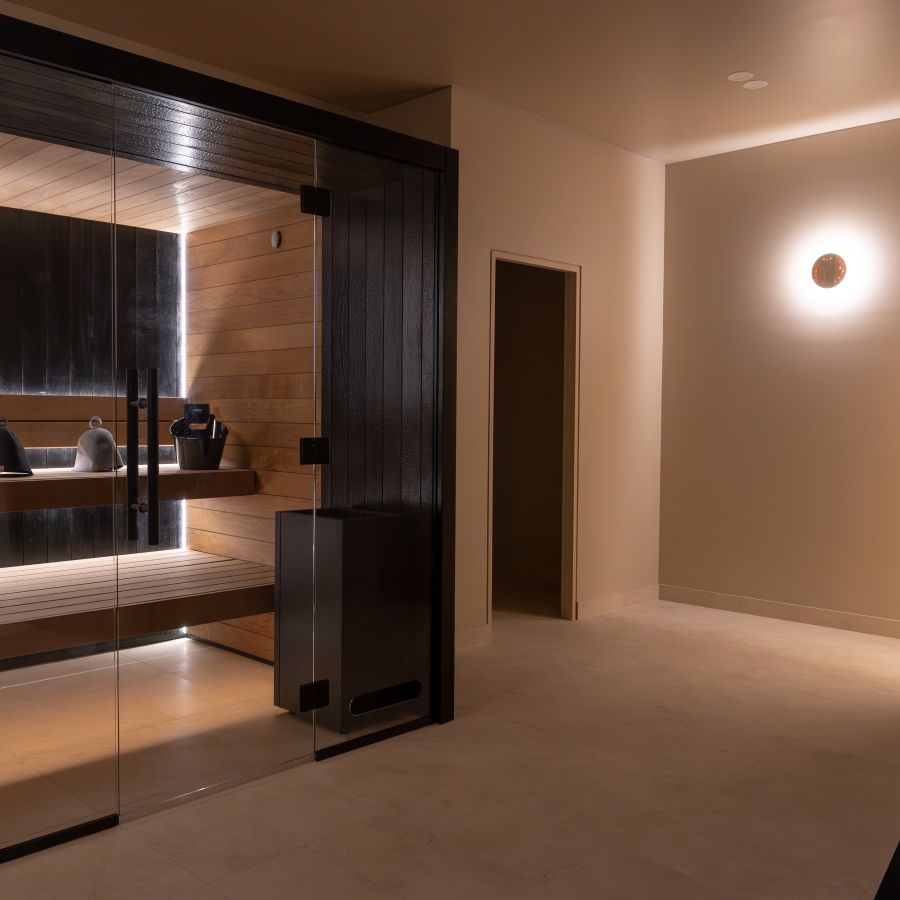
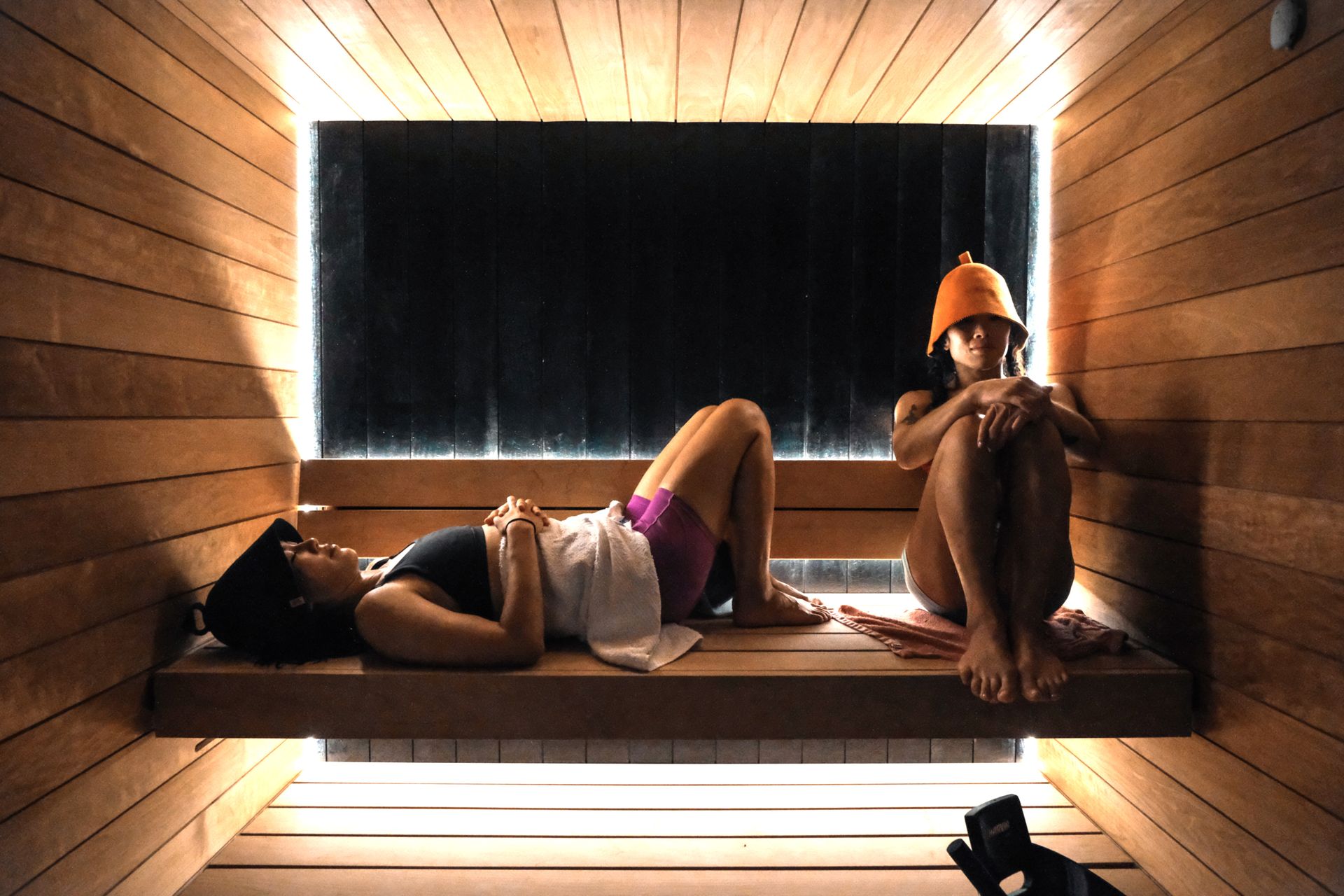
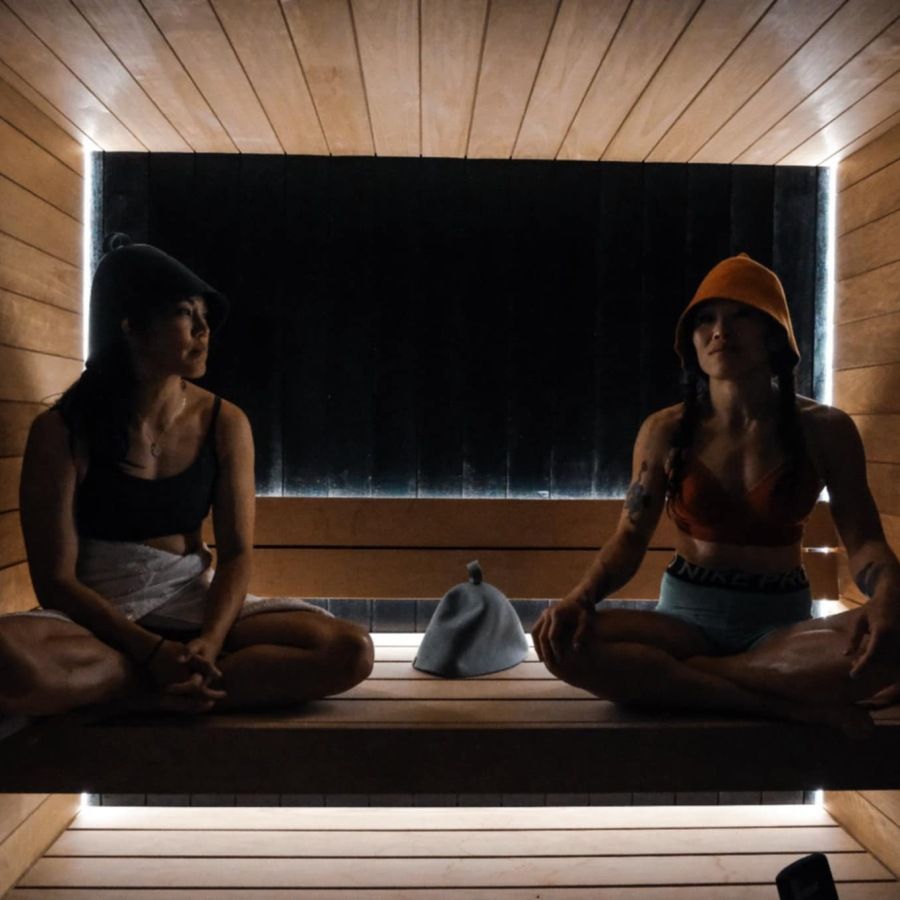
Recovery Lounge application: The value of a guided session is that the protocol can adjust in real time. Sessions are capped at four people and every client is talked through the science before entering the water. That means a woman in the late luteal phase who finds 12°C harder than usual can plunge for 1-3 minutes and get the same physiological outcome without forcing an exposure that the body is not primed to absorb. Similarly, using the lower bench in the sauna for 10-15 minutes (instead of the upper bench for 15-20 minutes) will be recommended.
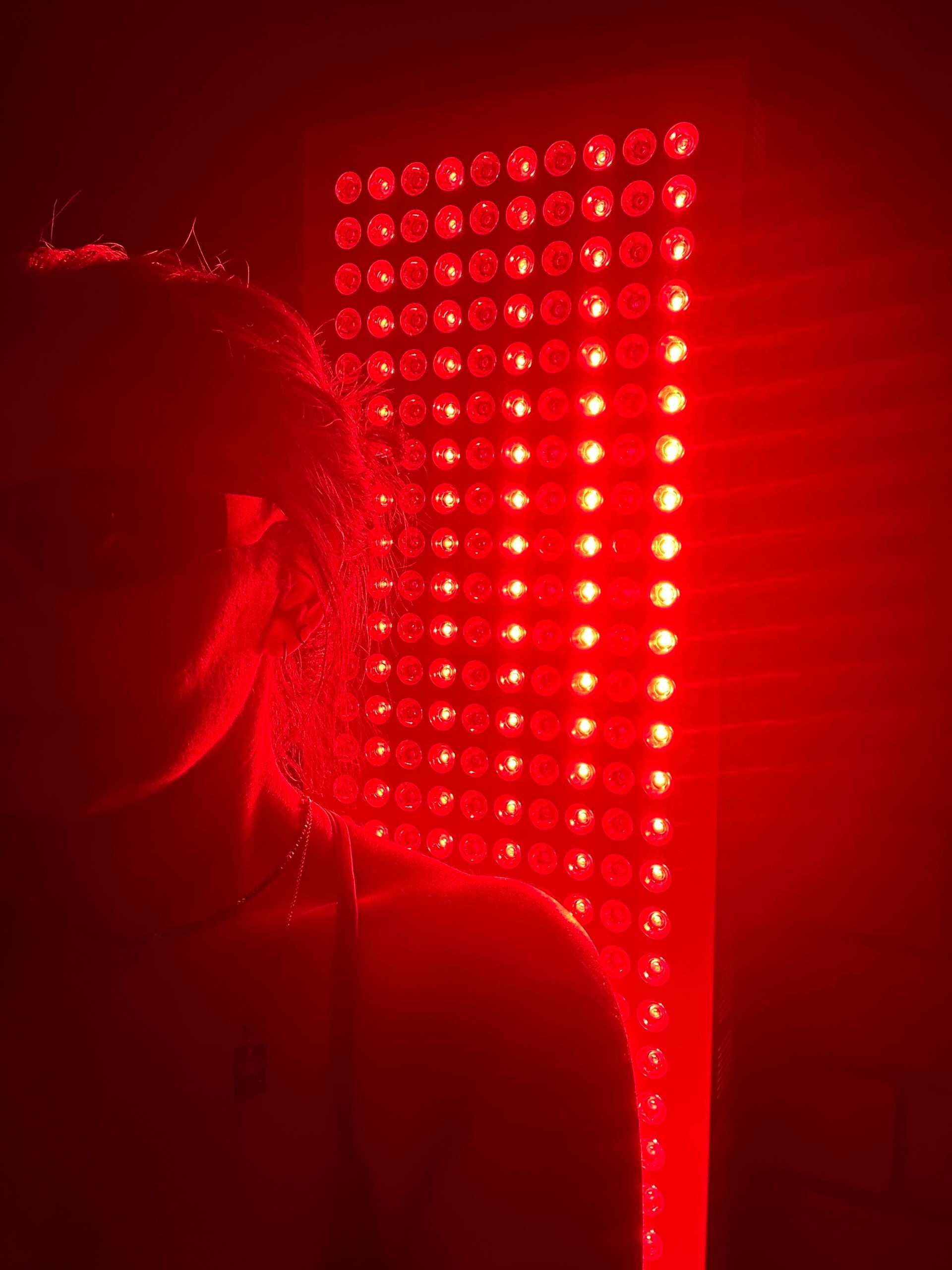
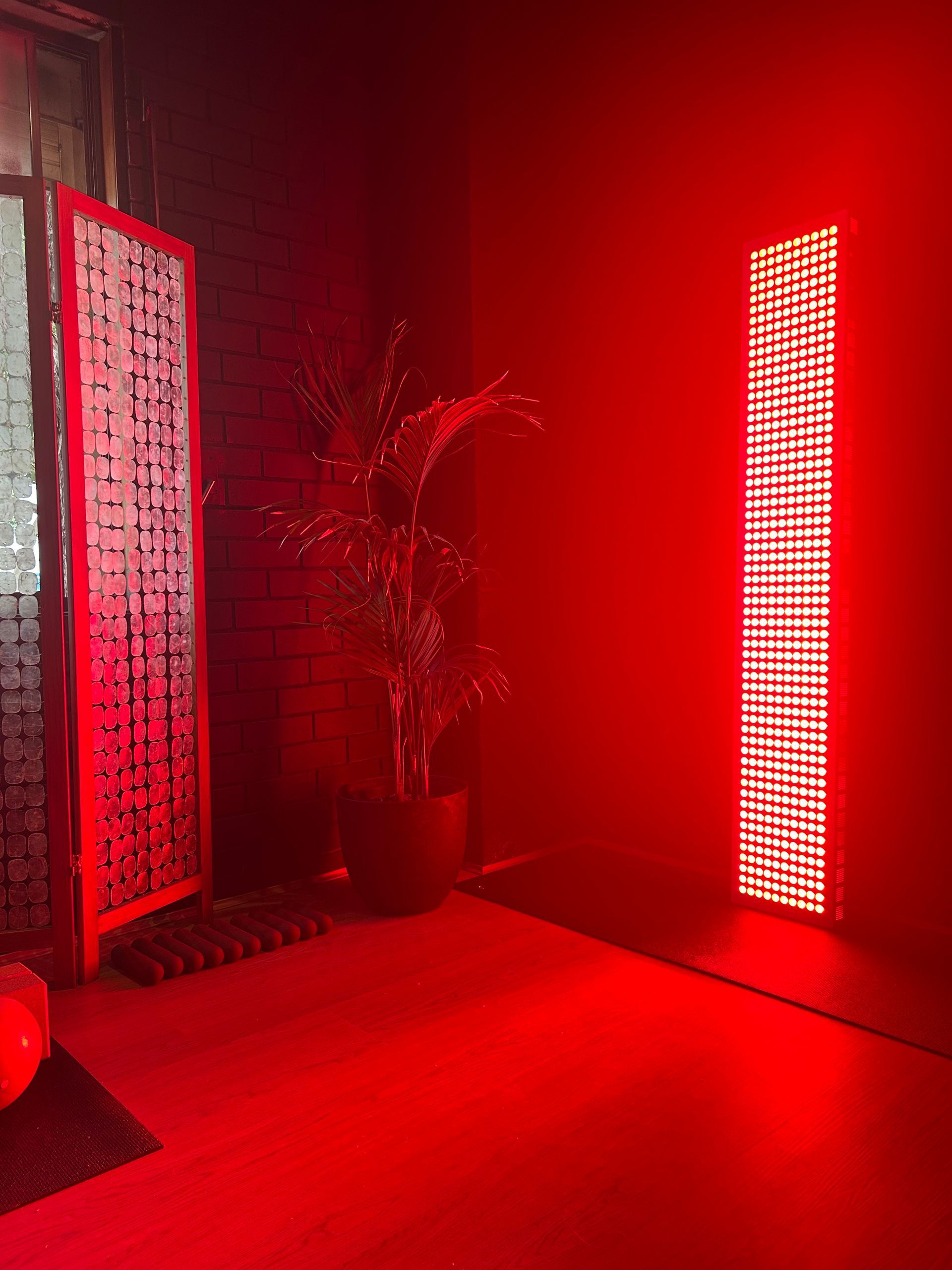
The optional red light therapy component, which ideally precedes contrast therapy, supports cellular energy activation before thermal stress — a sequencing rule that holds regardless of cycle phase.
The practical takeaway is a framework, not a rigid prescription. In the follicular phase, the body supports more — longer and hotter sauna rounds, more intense contrast, stronger cold stimulation. In the late luteal phase, the protocol that served you two weeks earlier may not serve you now. Shorter sauna rounds at a lower temperature, significantly shorter cold immersion, and fewer contrast cycles are not a sign of reduced commitment — they reflect accurate reading of where the body's thermal tolerance actually sits.
At Recovery Lounge, we are not about extremes. Our traditional sauna sits at 90°C (or 80°C on the lower bench) and our cold plunge is set to 12°C. The science tells us these temperatures give us the contrast therapy benefits we are seeking, without putting our bodies under unnecessary stress.
We encourage you to listen to your body and work with it, not against it. Contrast therapy is not for those who want to be uncomfortable or set rigid goals, but for those wanting to build resilience slowly whilst feeling good.