
Red Light Therapy before Cold Plunge - Why the sequence is not optional
Why red light therapy is best first.
The most common question we get about our session order is some version of: why red light first? Most people assume it is about warming up, or personal preference. Neither is true.
The mechanism starts in the mitochondria.
Red and near-infrared light in the 620–850 nm range is absorbed by a specific enzyme inside your mitochondria called cytochrome c oxidase (CCO) — the key chromophore of complex IV in the electron transport chain. When CCO absorbs red light photons, a process called photodissociation occurs: inhibitory nitric oxide bound to the enzyme is displaced, electron transport accelerates, and ATP output increases. Research compiled by Dr. Michael Hamblin of Harvard Medical School, who has published extensively on photobiomodulation, shows ATP production increases of 50–150% above baseline in the 30–90 minutes following red light exposure. That is the window of interest.
Why cold plunge after, not before.
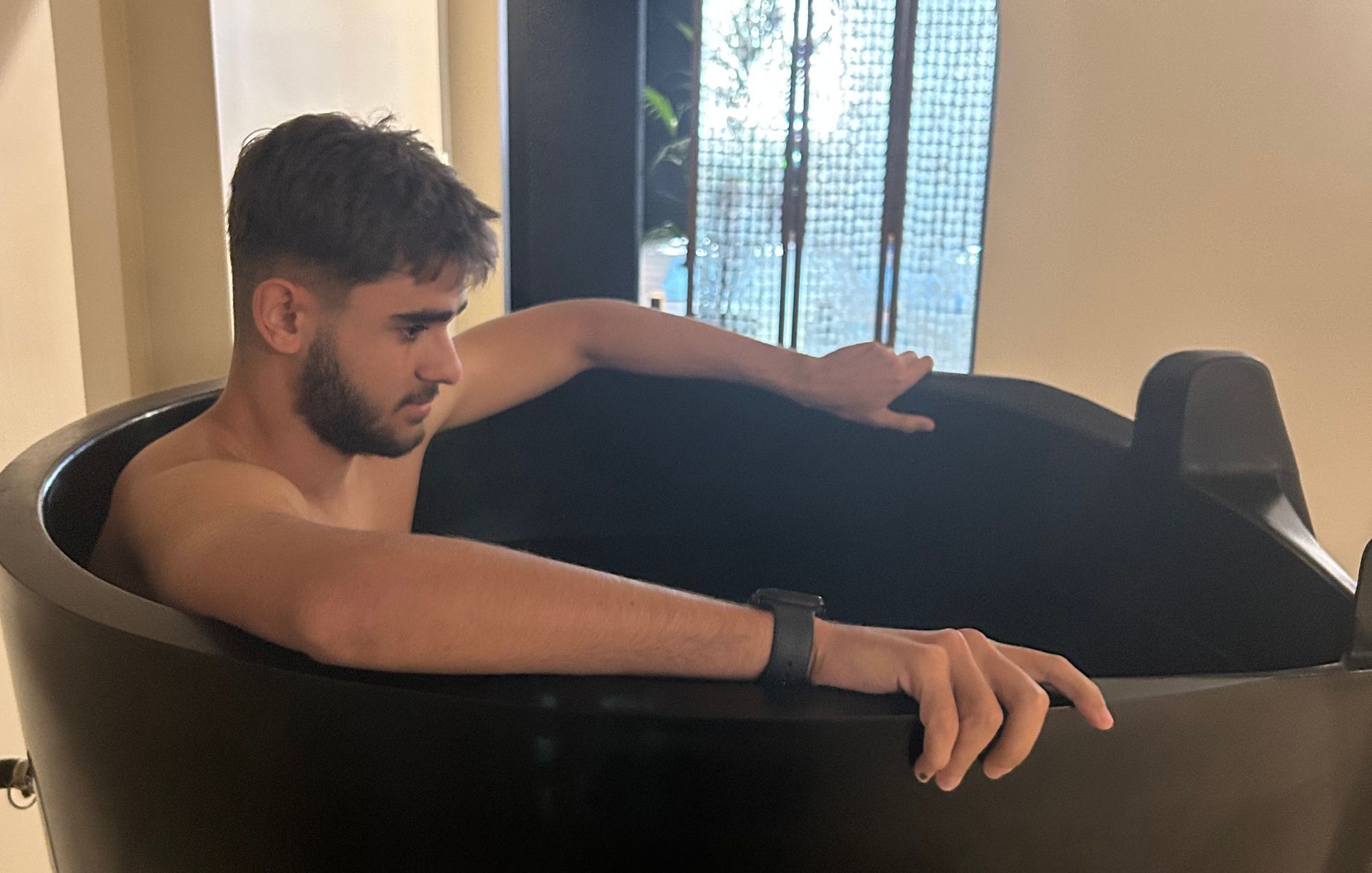
Cold water immersion — typically at 10–15°C — triggers an acute sympathetic response: vasoconstriction, norepinephrine surge, and a drop in surface tissue temperature. That sequence is exactly what makes cold plunge effective. But if you attempt red light therapy on tissue that has just been through a cold plunge, you run into a mechanical problem. Constricted blood vessels and lowered tissue temperature reduce photon penetration and limit the mitochondrial response. Multiple 2024–2025 protocol guides, drawing on the same photobiomodulation literature, explicitly flag this: red light is less effective on cold, vasoconstricted tissue. It is not that red light after cold does nothing — it is that it does significantly less, at a moment when the tissue is already in a state of stress resolution.
Pre-loading with red light before cold means cells enter the plunge with elevated ATP reserves, improved microcirculation from NO-mediated vasodilation, and active stress-response signalling already in play. The cold shock then lands on tissue that is better prepared to handle it — not because the cold is made easier, but because the cellular machinery for adaptation is already primed.
What this means inside a guided session.
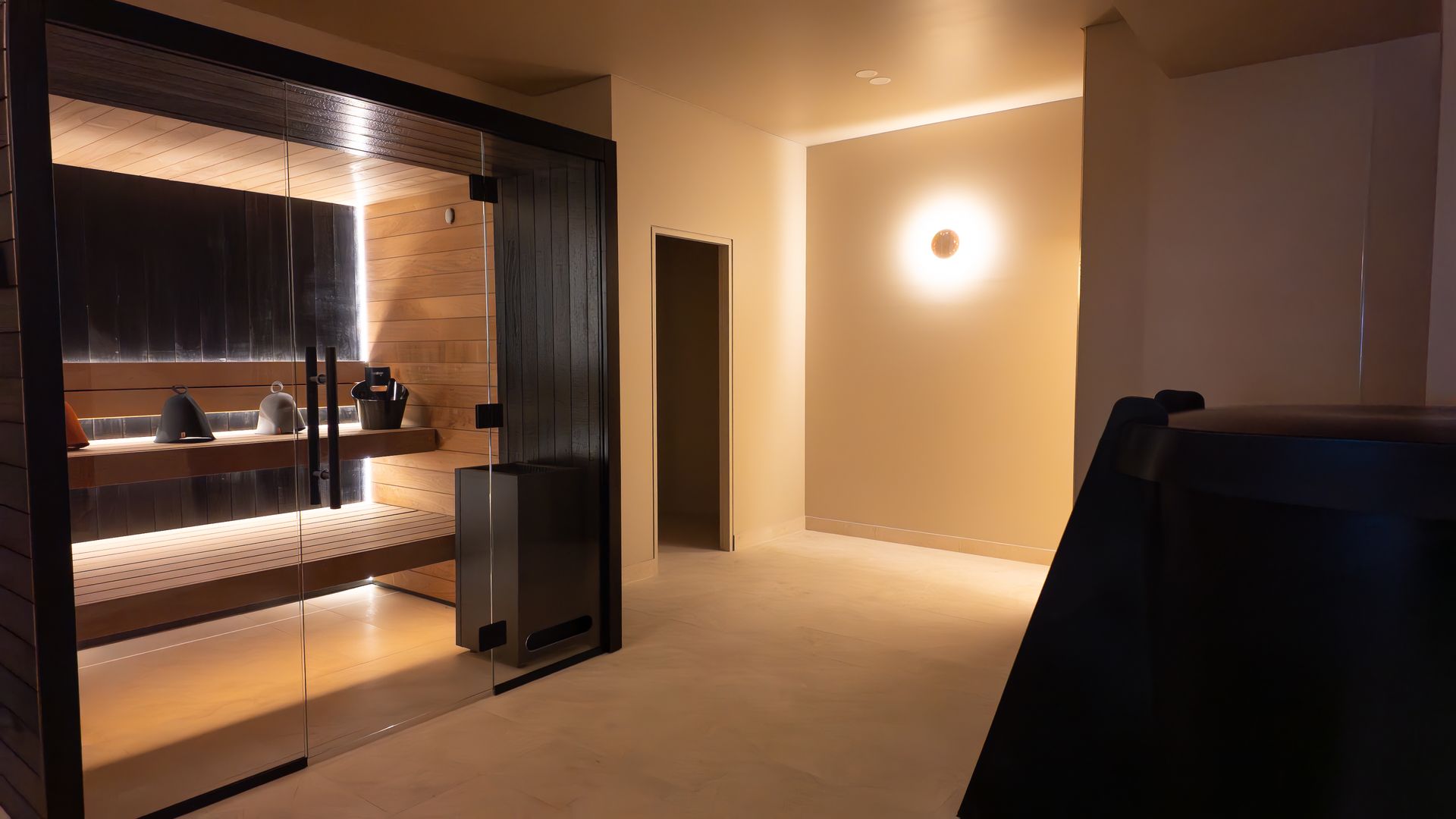
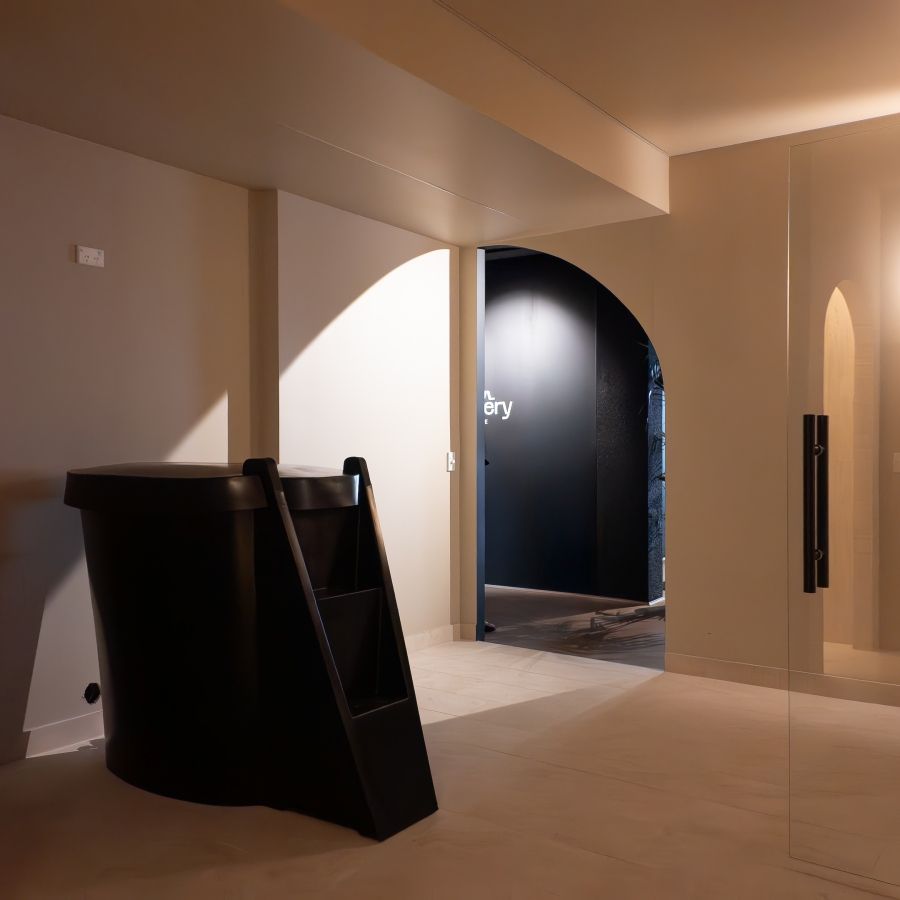
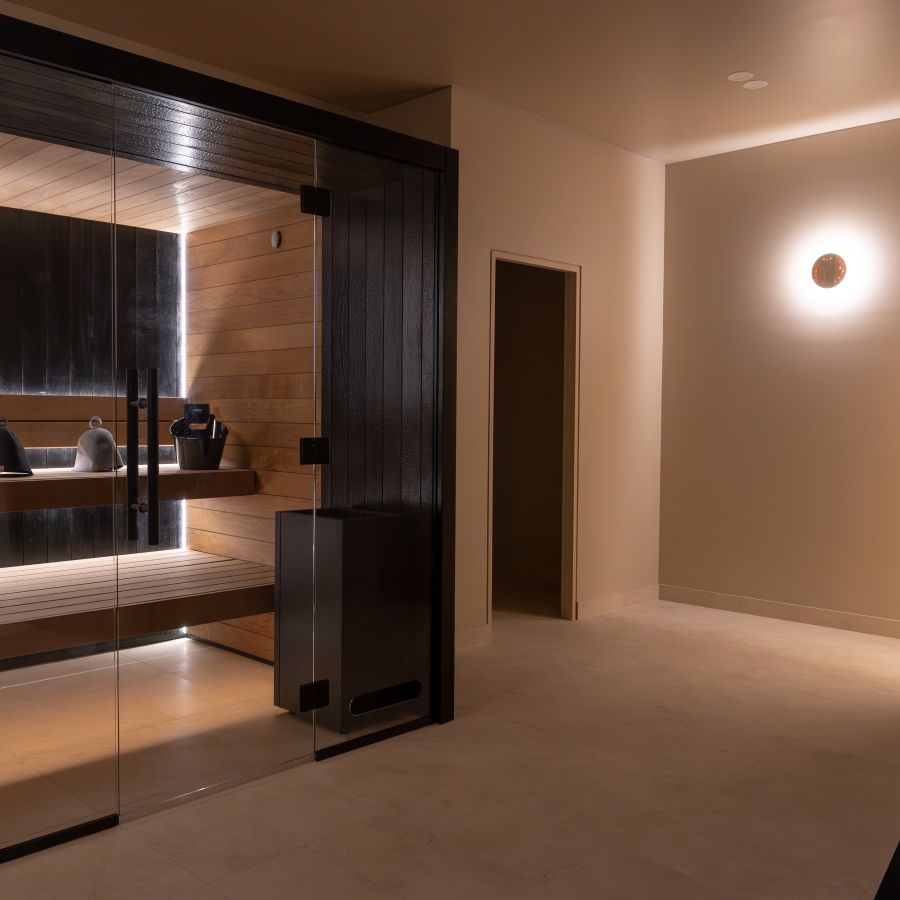
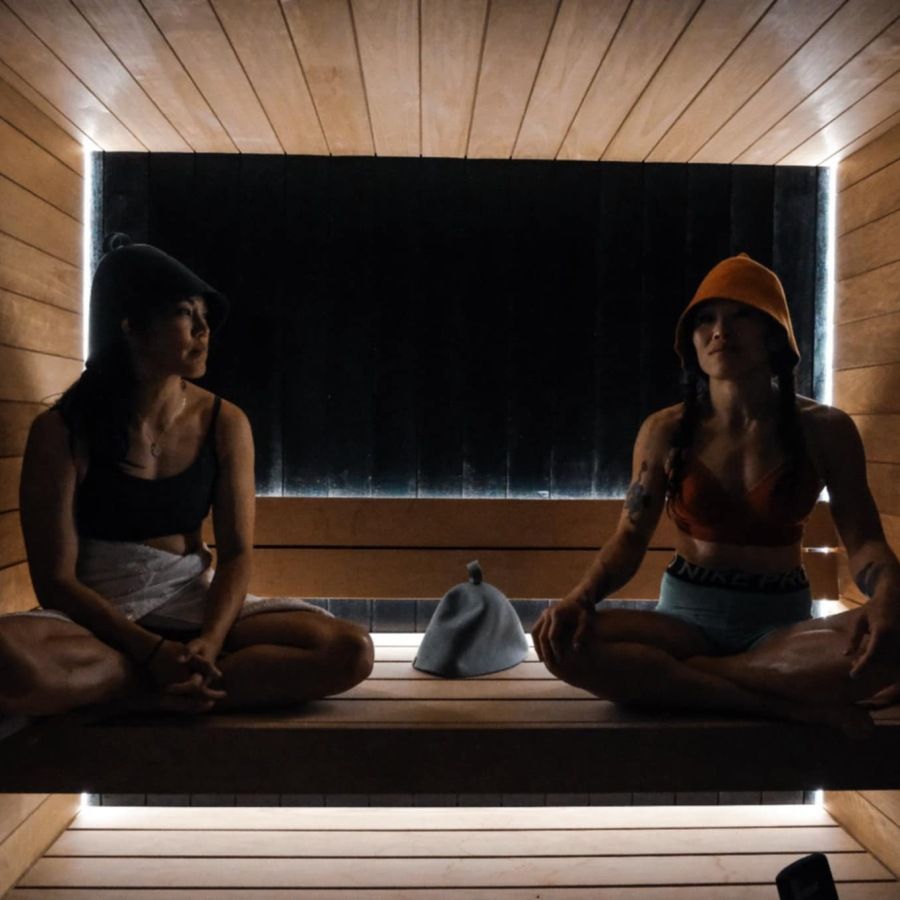
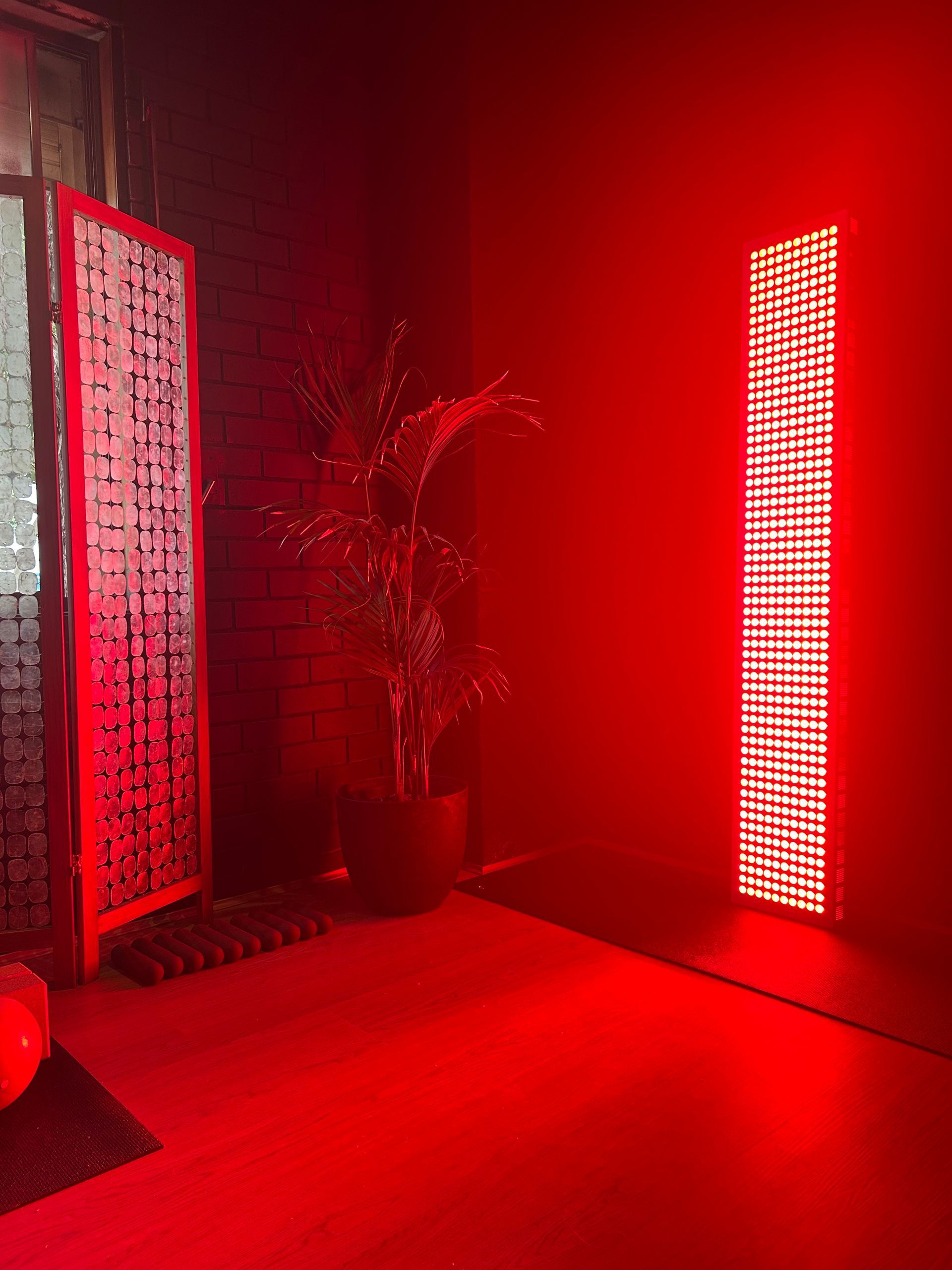
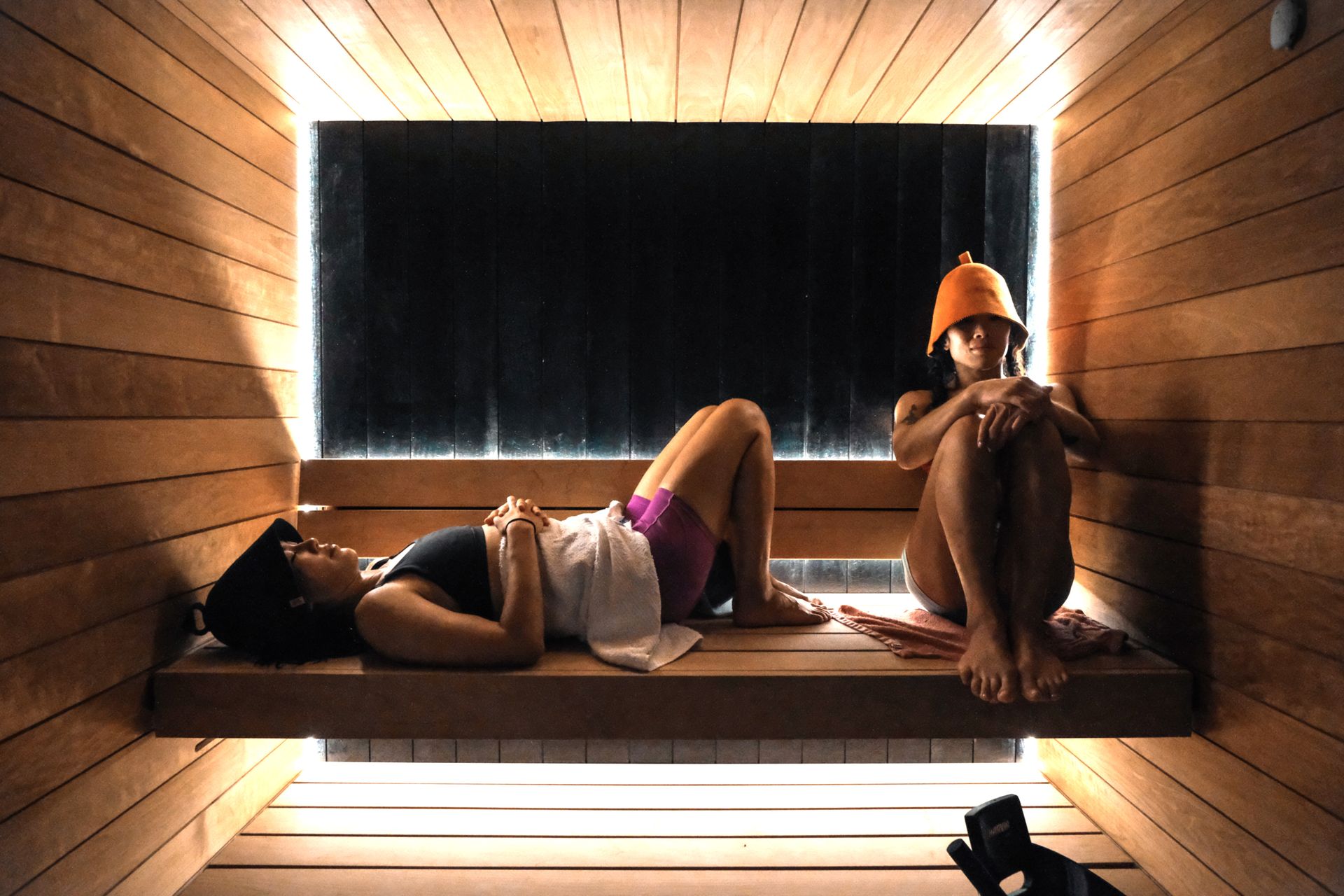
At Recovery Lounge, we always recommend red light prior to sauna & cold plunge. That is not a preference — it is the protocol. The ROJO Refine Series panels run at wavelengths within the established photobiomodulation window, and the transition from red light to sauna to cold plunge follows the order the physiology supports. The sauna deepens vasodilation and raises core temperature between red light and cold, compounding the circulatory preparation before the final plunge.
The practical takeaway:
Sequence is dose. Getting the right tools in the wrong order produces a different biological outcome from getting them in the right order. Red light therapy is not a passive step in a recovery session — it is the cellular primer that everything else builds on. That window matters. So does what comes after it.
Curious about Red Light Therapy? Try our 10-minute Muscle Recovery program for $15, or our 20-minute Bone & Joint program for $25 before any Sauna & Cold Plunge session.