
The Case for Cold Plunging in Winter — and Why the Season Makes It Work Harder For You
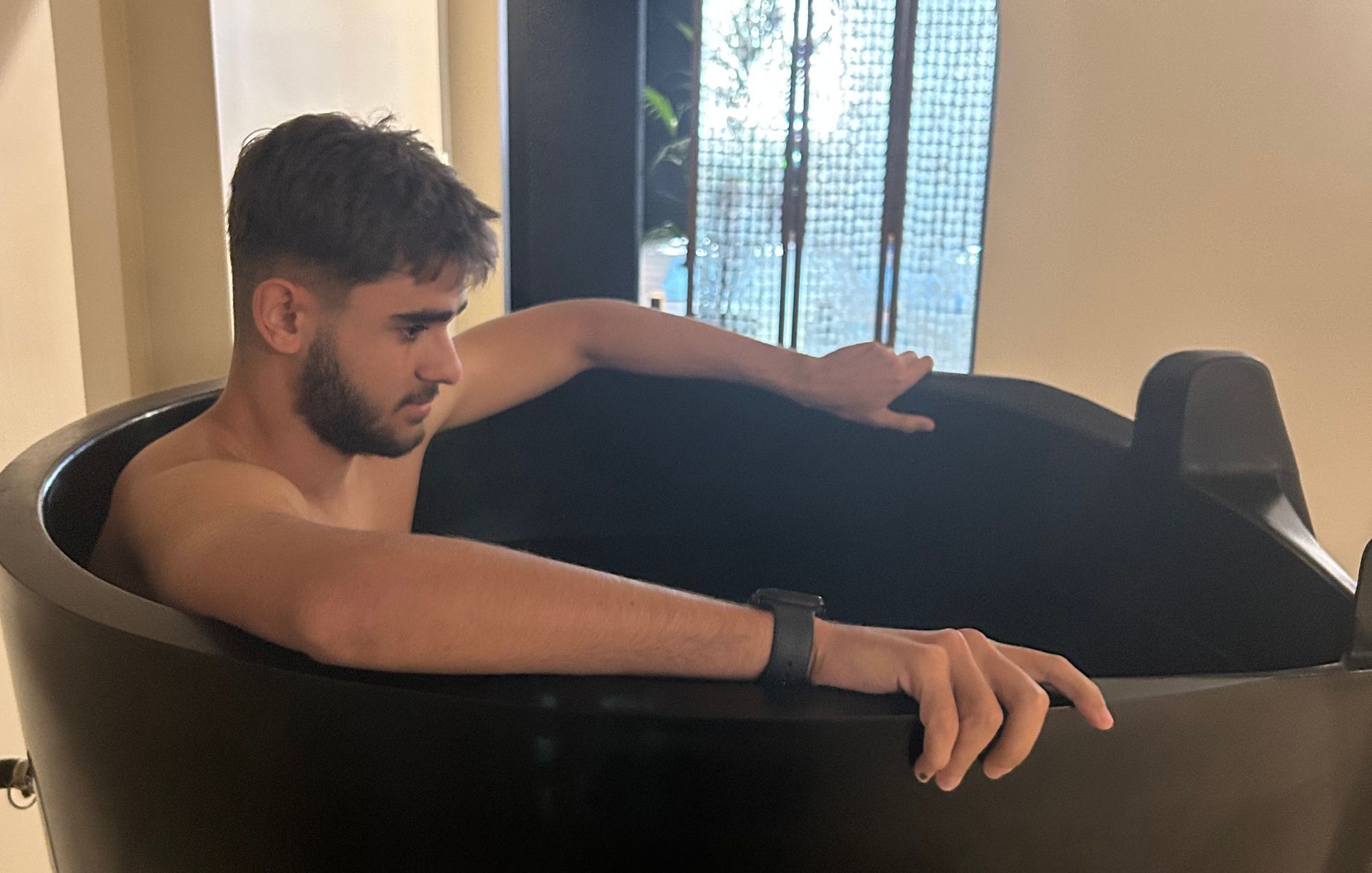
Your cold plunge in winter is more important than ever.
Most people slow down their cold plunge practice in winter. The water feels colder, the motivation is lower, and the logic seems sound enough: surely summer is the time for cold exposure.
The physiology disagrees.
Human brown adipose tissue — the metabolically active fat responsible for non-shivering thermogenesis — shows measurable seasonal variation. Research published in the American Journal of Physiology confirms that BAT activity peaks in colder months. When you enter a cold plunge in winter, your body's thermogenic machinery is already more sensitised. The stimulus lands harder. The adaptation runs deeper.
Dr. Andrew Huberman at Stanford University has detailed the neurochemical response to cold water immersion: a plasma norepinephrine increase of approximately 530% and a sustained dopamine elevation of around 250%. These are not brief spikes. Both remain elevated for hours after you leave the water. Regular cold exposure does not blunt this response — studies tracking participants through three months of cold water immersion show the norepinephrine surge persists with each session.
The practical dose is smaller than most people assume. Dr. Susanna Søberg at the University of Copenhagen established a minimum effective dose of 11 minutes of cold exposure per week to produce measurable metabolic benefit. Her research also showed that ending on cold — rather than warming up in a sauna or shower immediately after — maximises the thermogenic response. The body must generate its own heat. That self-warming is part of the adaptation.
On the question of winter illness: a randomised controlled trial following participants who finished daily hot showers with 30–90 seconds of cold water over 90 days found 29% fewer sick days from work compared with controls. Separately, a 2025 study tracking seven days of cold water immersion observed improvements in cellular resilience and autophagic function — the body's mechanism for clearing damaged or dysfunctional cells.
The honest framing matters here. Cold plunges are not proven to prevent respiratory infections. What the evidence supports is a reduction in illness impact and duration in some individuals, alongside meaningful improvements in stress regulation, metabolic function, and cellular resilience. Those are not small benefits, particularly across a Sydney winter.
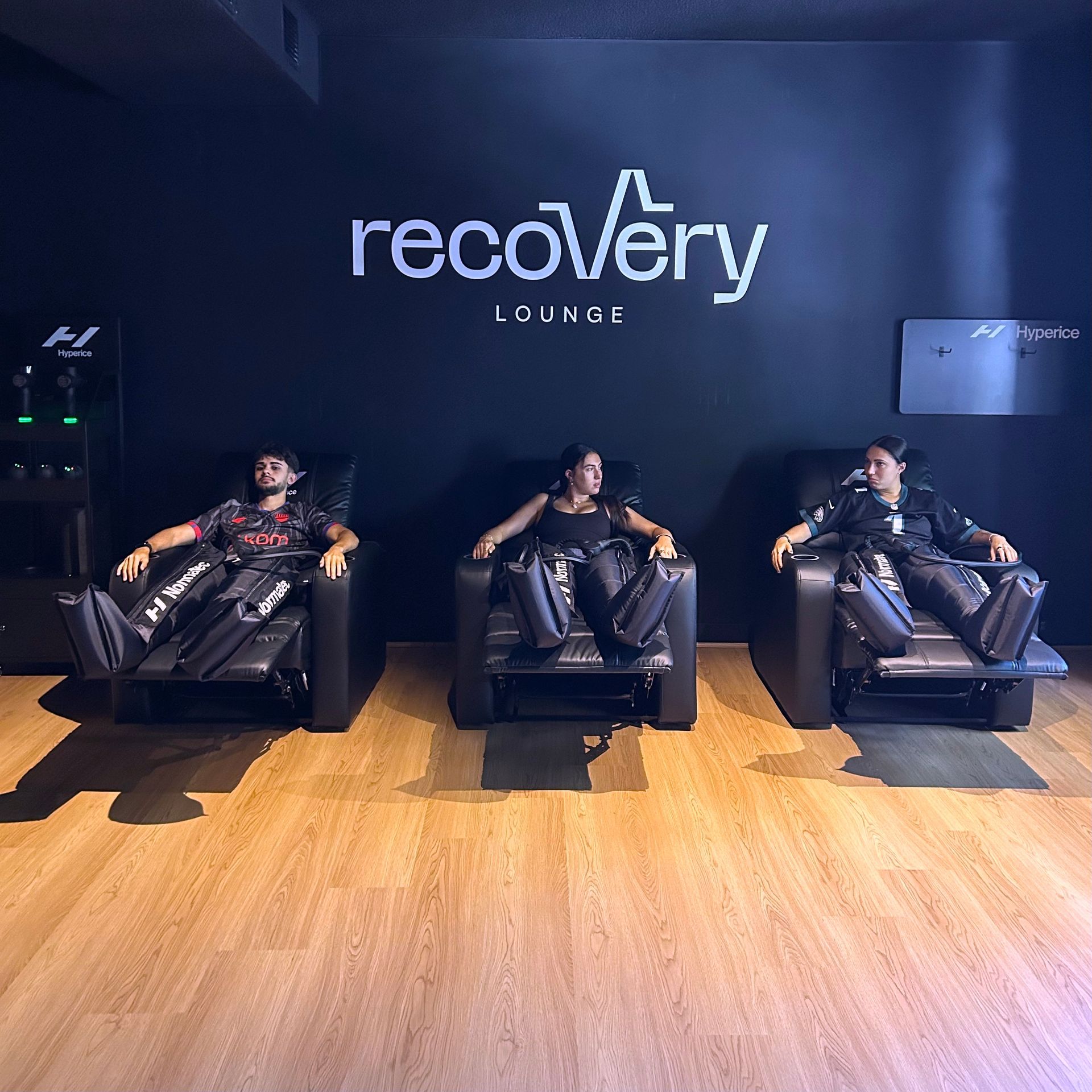
At Recovery Lounge, sessions are guided. That matters in winter more than any other season — because the instinct to cut the session short is strongest when the benefit is highest. Every client is guided through the full protocol, with the science explained in real time.
Practical takeaway: if you have been deferring your cold plunge until the weather warms up, you are deferring it through the window when your body is most responsive to it. Eleven minutes a week is the threshold. The season is doing part of the work for you.
Yet to try a cold plunge? Contact us to arrange your first session - you will be surprised what you can achieve when you're guided in our small and supportive facility.